Search

Category Archives: Explore Tuscany

Bibbona

It is said that Bibbona was one of the strongest castles in the Maremma, surrounded by turreted walls and defended by a deep ditch. Still obvious is its size of inhabited fortress, built on a low hill.

So it appears entering the maze of narrow medieval layout and building types in which they emerge from different eras and the church of San Ilario eleventh century.

Also evident links with the agriculture of a castle in which, according to a statute of 1400, the head of the family were expected to plant an olive tree every year at least and two fruit trees and also to make the garden.

Just outside the entrance to the castle one of the glories of Bibbona: the beautiful Renaissance church Santa Maria della Pieta, built at the end of the 400 project of Vittorio Ghiberti, Lorenzo's son.

Church of St. Hilary

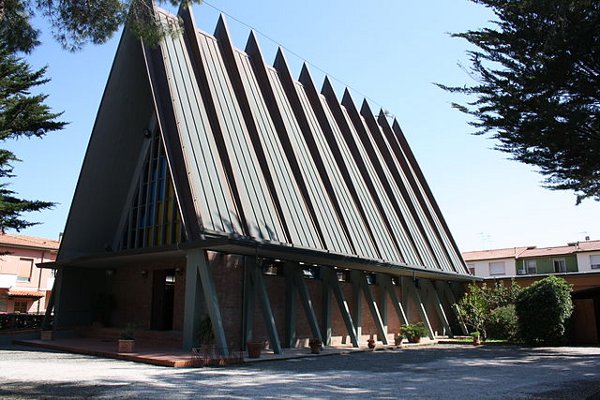
On the front there is a door architrave finished at the top. Next to the entrance there is a memorial plaque. On the sides are mullioned windows and faux wood. The bell tower stands leaning against the right side. The Church is bordered on the left and right with Via Roma Via Vittorio Veneto.

Palace Gardini

The façade is finished with plaster, and two rows of windows framed in a frame of smooth stone, the same that surrounds the door and on which there is the coat of arms with a tower in the field.

Comune Vecchio

The building has been the seat of legal and later played the role of common

Church St. Joseph

On the facade of this church opens the portal of entry above which there is a plate with a coat of arms and a small rose window, and on the side there are traces of openings now walled up.

Oratory of S. Niccolò

The entrance gate to the seeds side pillars and the window above does not presentente in other churches of the place.

Church of Santa Maria della Pietà

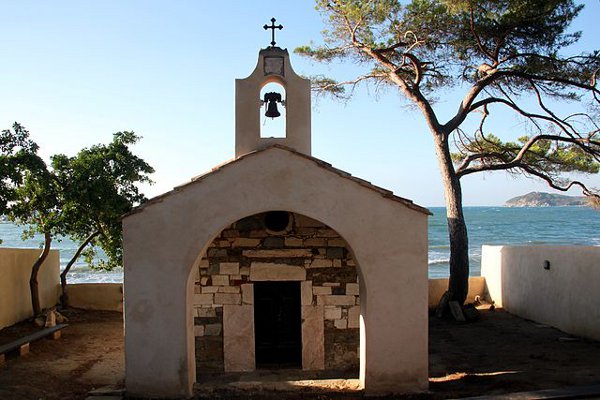
The articulation of architectural and decorative is shown by the main facade, which is characterized by the presence of a simple rose window. Then this Church has a small bell tower.


PERIOD ETRUSCO

The first Etruscan Villanovan settlements that developed in Tuscany between the X and IIX sec. BC have been brought to light in part on the territory of Bibbona.

Many finds from the tombs are above the Etruscans in fact being very religious and gave importance to the death to the passage of the afterlife.

To this made the graves of their real homes, taking our place all the objects belonging to the deceased which could be useful in later life. Due to the richness of the finds, we can say that in the sixth seventh century. the Etruscans came into contact with Greek civilization. Proof of this are the graves of warrior princes dating from the Orientalizing period. The monks and precious objects found in the tombs testify to the skill of the Etruscans in the processing of various metals including gold. In the area, the activities involving gold and steel industry developed in Populonia, where the necropolis was active until the first century. BC when the whole territory was conquered by the Romans.

On the rock of reddish tuff, shelly, very compact, Tertiary origin, was born Bibbona, located at 80 m. above sea level, south of the river Cecina, 7 km from the coast. The name itself suggests, after several transformations, its Etruscan origin: VIPI, VIVIPI, VIPINA, VIPUNA, Vibona, BIBONA.

The birth of this small village probably dates back to the eighth century. BC (Etruscan Villanovan period), as well as those of Montescudaio and Casale, consisting of huts, whose inhabitants lived hunting, cultivating and nurturing, as evidenced by the discovery of a large quantity of tools and small bronzes found in a votive deposit.

Meanwhile in the area, the village of Velhatri (Volterra) became more and more important due to the development of agricultural activities-craft and trade, with whom arrived from the coast Eastern influences (Greek).

From the eighth to the sixth century. BC, about the archaeological finds such as jewelry, luxury items for banquets, weapons, bronze axes, belonged to the so-called "Principles warriors", it is called oriental period, as in the area worked to order some Greek artists, which were then imitated by the locals.

With the development of Volterra, there was also the birth of aristocratic families who had control of the territory as they moved into the villages and some members became "Heads-village" or "Principles warriors", as they began to control both the economy that the defensive organization.

The Principles were distinguished by the people because they had the possession of weapons and death were buried in monumental tombs, accompanied by precious objects and finely crafted to the oriental manner.

All the exhibits are visible today in the Archaeological Museum of Florence, as well as one of the most beautiful pieces of bronze sculpture, the "goat of Bibbona" ​​perhaps the handle (handle) of a vessel dating from the fifth century. BC

We do not know with certainty the exact location where it was found, probably comes from one of the tholos tombs (in underground) found in the vicinity of the farm "La Ghinchia" (on the Via Aurelia between California and Cecina).

These tombs are contemporary to those "tholos" found in Casale and Casaglia dating back to the fifth century. BC

The tomb of Casale was moved and rebuilt in the Archaeological Museum of Florence, while that of Casaglia, in the garden of the Technical Office of Cecina. Some exhibits, such as urns, still containing the ashes of the deceased, are preserved in the museum Guarnacci of Volterra.

Still in Bibbona, on the "Way of the millstones," (so called because in the past there was a mill) in the vicinity of the historic center, was found, although badly preserved, a rock tomb.

The structure of this particular type of tomb is much better seen and appreciated in the necropolis of Norchia (Tarquinia) and Sovana (Grosseto).

Other tombs, this time "a subterranean chamber", carved into the rock can still be seen in Via of the millstones and the long one that leads from Bibbona in Casale, today these are simply the caves, called "niches", poorly preserved and partly destroyed, when the road was widened, so the twelve found, if it can recognize only four.

This type of tomb, much better preserved, is visible in the woods of Buche delle Fate, in Populonia.

In the area between Bibbona and Casale were found fragments of ceramic vases painted black (oinochai - olpai), and a bronze depicting a Gorgon's head, dating from the fourth and second century. BC, in fact, at that time there was the Etruscan town of Casalvecchio and the underlying necropolis of Casanocera, from which the numerous remains of the tombs of the Princes warriors, so called because the wealth of furniture funeral made me think of noble tombs.

Among the most beautiful and best preserved there is a helmet and a bronze ax (bronze for the Etruscans had the ax symbol of wealth and power), these were undoubtedly funeral ornaments are unfit for combat, also l ' ax was enriched with stylized ducks stuck in the wooden handle (ornamental elements orientalizing).

Were also found other objects such as a necklace in ivory (VIII century BC.) With a pendant depicting a monkey eating a coconut, with a water bottle pendants bronze fibula in the shape of a horse found in a woman's grave ( VII century BC.).

The area of ​​Montescudaio is the vessel urn (or urn) of the seventh century. BC found in a tomb in the cockpit, in the past the base had been restored in an improper manner that was later removed, whereas the lid, bowl-shaped inverted, it is quite well preserved and reproduces the scene of a funeral feast: sitting on a throne (the back is destroyed) is shown the dead in front of a table with three legs (paws of a lion), can be recognized on the table loaves of bread and cheese, on the other side of the table there is a woman standing (the lowest of the deceased, however, to show his allegiance) with arms up to hold a fan or bless the table.

The woman has her hair in a braid (braid hairstyle could also be masculine but only for the nobles), next to the table there is a big pot "crater" where it was mixed wine and water according to the use greek, on the other side of the table you can see the base of another crater, destroyed.

The dead man is sitting at the table, according to the most ancient Etruscan tradition, in fact, in the seventh century. BC had not yet been assimilated the Greek custom of eating lying on a sofa "triclinic" as will happen later, habit also demonstrated by the urns found.

The vessel has only one handle, decorated with a seated figure with hands on his knees (gesture of sadness), this figure sore could be a relative or the dead man himself.

In the fifth century. BC in the territory, on the hills that separate the valley of the Cecina from the Era, the village of Volterra, became a major city-state where you went saying many aristocratic families, but this involved depopulation, the loss of importance and autonomy the other villages of the Val di Cecina as Casale, Casaglia and Bibbona.

In the fourth and until the second century. BC there was a revival of rural settlements, followed by a new demographic crisis but which we do not know with certainty the cause, you'll probably concurred the widening of the swampy and malarial the surrounding plains.

ROMAN PERIOD

Also in the area of ​​Val di Cecina, were found the remains of the next "Roman period", fragments of pottery are both smooth and decorated in relief, buckles hinged funds cups dating to the 1st century. A.D. sign of the existence of human settlements especially in the rustic villas built in the area along the river Cecina.

These were real farms where slaves worked for the production of grapes, olives, fruit trees and crops that were plentiful were not only used for immediate consumption, but also for trade in basic commodities for the rich economy of the Empire Roman.

Towards the end of the third sec.d.C. however, began a slow abandonment of the villas that continued throughout the fourth and fifth centuries AD up to almost total depopulation of the area.

Also in the area are also numerous Roman tombs were found such as "Capuchin", the oldest is that of Belora Low (Riparbella) of the first century. A.D. where it was found a lamp and four balsam glass, in other urns were found in tuff and alabaster. Always the first and second century AD is the necropolis in the locality FIELD TO THE PEBBLES in the municipality of Cecina, these dating to the 1st and 2nd century. A.D.

They were found also in the stretch of sea off the mouth of the Cecina, considered the port of Volterra, and along the coast of Vada, of underwater finds that testify to the existence of port calls or staging points on the Tyrrhenian routes; important finding is was a wreck cargo of amphorae, a millstone and two anchor stocks in the lead.

On the coast there were also the salt mines and brick factories, so the whole area, full of opportunities, attracted many inhabitants who settled from the coast to the locations of the inner and Linaglia Paratino, and the whole area was a knot of intense commercial traffic.

A large number of exhibits, set to increase from excavations of the Roman Villa of San Vincenzino identified as that of ALBINO Caecina, located 2 km from the coast on a small hill to the left of the river.

The Caecina were a prominent family, descended from the noble Etruscan Volterra, the KAIKNAS-CAETNA-CAEICNA - Caecina that with the advent of the Romans latinized their names in Caecina. A member of this family has left us a translation of an Etruscan text of magic, thus giving us a chance to understand it.

The findings from the villa testify that this had a long period of activity: a coin (axis) of Octavian, dates back to 40 BC, fragments of cups are of the first century. a. C., other ceramics are of the second century. AD, ceramics and African cooking reaching the fifth century. A.D.

The excavations that began in 1850 brought to light wall and floor coverings in marble, white and colored, also a mosaic with geometric shapes, capitals and bases of columns, parts of rooms and various busts.

The plan of the villa is typical Roman: a large atrium on the facade towards the hills, a thermal plant on the left side (south-west), the back rooms of the servants, warehouses, depots and oil. The baths were excavated only some circles as the halls of CALIDARIUM, with the adjoining semi-circular pool, behind the environments with boilers "KITCHEN" and here were found and coal stoves, another excavation to the east, perhaps the concerns thepidarium with a rectangular swimming pool which is accessed via two steps, on one side halls opened the gym.

Near the villa and probably connected to it for the supply of water, there is a large underground water system comprising a cistern, tunnels and collection channels that run for another 200 m.

In the part of the villa used as a warehouse, it has emerged from the excavations also a early Christian cemetery dating from the fifth century AD In fact the villa as all the others in the area, after depopulation, after the fall of the rich economic system based on Roman rural villas, finally collapsed with the fall of the Roman Empire (472 AD) and the population moved to the cities.

The few remaining residents took advantage of the building material of the villa until exhausted, after the area became a cemetery.

Until now, over 120 burials have been found, but there should be many more, in fact this SAN vincenzino is considered the largest early Christian cemetery in all of Tuscany.

The burials are found all graves, arranged in east-west direction, very simple, where the dead was laid bare or wrapped in a towel, without any ornament, so it was quite complex back to the period of burial, however, we know that the most recent grave dating back to the Middle Ages (eighth century AD)

For the basic ground, many burials are well preserved and have been extremely useful for an anthropological study of the ancient inhabitants, in fact we know from the skeletons found that the average time was around 27-30 years, the deaths were from violent causes but due to illness but excluding malaria, as it would be led to believe, the power was good, rich in cereals, fruits, olive oil and wine, and with the first infiltration barbarian, after the fall of the Roman Empire, was enriched greatly meat and especially the pork, this animal who found a favorable environment and diet abundant in fruits of oaks and holm oaks surrounding the spots.


MEDIEVAL PERIOD

In the territory of Bibbona, until the fifth century. the population was poor and displaced in villages scattered on the hills, but some village was built in the plain, near the churches and the main roads (the Via Aurelia, the Via Emilia, and Volterrana).

Some castles were built then on the pre-existing villages Latin, while others function as principals were born in high places to guard both of the pirates from the coast, that the barbarians allocated in the interior, to remember between these castles Riparbella, Montescudaio, Guardistallo, and Bibbona Bolgheri.

Against Turkish pirates and Saracens were built along the coast several watchtowers and defense of these today, though with many renovations, it remains the so-called STRONG BIBBONA.

At the end of the eighth century. the Arimanni (smallholders Lombards with the obligation of military service learning) strengthened these castles and inglobarono property in the woods, the meadows, the neighboring lands, thus giving rise feudal organization typical of the entire period.

Bibbona during the High Middle Ages (700), we have only scarce and fragmentary information about a small town, near via Aurelia, named ASILACTUM from "asylum actae" that asylum on the coast, in fact there was a hospital ("asylum "), which was a place of rest and refuge for pilgrims along the area.

According to other sources, the settlement was called "AD SALATICUM" being near the sea and salt marshes.

To locate Bibbona as a castle and have the first news we have to get up to 1100 in the morphology of the country, even at first glance, it immediately gives the image of a medieval village enclosed in ancient city walls, for irregular that supports the contours of the land, this unfortunately today there are only a few traits as the bastion emiciclico and a tower.

Beyond the walls there were and are of the ditches, the "Botro Madonna" and the "Botrello of Bacchus", intended for the collection and flow of water.

From a document of 1872, the history of Bibbona, edited by Canon Righi, we know that in the eighth century. the village under the despotic rule of the Arimanni had to endure numerous abuses and in this respect is still remembered the LEGEND OF Agilulfo, lord of the place, who lived with his soldiers in the Torre della Mirandola, (now this is the only remaining blocks of shelly tuff) located not far from the village in the direction of the Macchia Magona and 2 km from the current farm "Le Badie," whose house stands on the ruins of the old monastery of 700, remembered by the name of ABBEY OF ST MARY'S MANSIO (mansio = farm) or even ABBEY DE 'MAGI.

Our whole area during the High Middle Ages, was the site of monasteries and churches (Latin for "plebs" = people, asked for the people) of which remain scarce remains in place and Camposassino Pievaccia.

Other churches and hospices for pilgrims on their way to Linaglia arose, Paratino, Montalpruno and all were part of a journey of faith, run parallel to the better known FRANCIGENA or Romea, who came from France to Rome and went to the Holy Land,

is on this path also the church and hospice S. JOHANNIS DE BIBONA.

Around 1000 Bibbona and the surrounding area were owned by the Bishop of Lucca which were then granted on lease accounts Tedice and Ugo Della Gherardesca family that already had control of the area.

In 1100 they built the counts in the highest part of the village, the castle and in 1175 the church of St. Hilary.

Along the walls there were three towers, of which today we can see in Victory Square, the only one left, known as "The Rock," this in tuff, was initially the main tower "Mastio", the fortified residence of the accounts in the event of war, then in 1400 became a watchtower and today, much lower than originally because the floor collapsed in the earthquake of 1846, is used for residential purposes.

Along the wall there were also originally of doors: one called "Gate of the Sun" (destroyed in 1785) was the beginning of Via delle Mura, in the left corner of the square of the church of St. Hilary, near present-day " Clock Tower ", another called" Porta a Kiss ", also disappeared not even know the probable location.

In early 1200 the castle passed Bibbona, as a free city under the rule of the Republic of Pisa and according to a parchment preserved in the town of Volterra, the Bishop of the Diocese leased to the inhabitants of the village, 67 houses, also farms, forests, pastures, vineyards and orchards were assigned to 124 families for a total rental of 6 pounds, 9 and 11 money money.

According to the Statutes of the time Pisa, Bibbona already in 1284, was the seat of the Captain of Justice and the Notary and throughout 1300 was undoubtedly the most important castle in the area, as evidenced by the many churches, monasteries and churches that belonged: Saint Andrew, Saint Blaise, San Cerbone, St. Christopher, St. Philip and St. James, St. Mary and St. Hilary of Mansi.

Since 1345 Bibbona was head of the castles of the area in the revolt against the Republic of Pisa, but to no avail and in 1397 the territory was still under the rule of Pisa.

When in 1406, Florence subdued Pisa, Bibbona and the family of the Counts of Gherardesca voluntarily went to the Republic of Florence so that was allowed them to retain the seat of the Captain of Justice and the Notary.

The Florentine rule continued until 1494, when following the descent of the French led by Carlo 8th, Pisa took back the castle, but in fact nearly two years later, in 1496 Florence was again the dominance of Bibbona which was chosen as headquarters of the garrison and fortress to thwart the rescue besieged in Pisa.

As evidence of 'autonomy which could have Bibbona, we can still read the first statutes dating back to 1407 which remained in force and regulate the lives of the population until 1700.

However, in those years (late 1300 to 1400) the area because of ongoing wars between Pisa and Florence, the threat of pirates and the spread of malaria, was much in decline and the countryside, the churches and monasteries were abandoned by the population who preferred to move around inside the castle and the church of St. Hilary.


LAST three centuries

The environmental and demographic criticisms were maintained throughout the first half of 1700, where they were found reside

nts and only 76 families in extreme poverty, as he wrote the naturalist Targioni Tozzetti in 1742, the air especially in the summer was "very bad", there was no drinkable water, because the tanks were used in the past as "failed", the castle was "very full of dwellings" but mostly ruined, very narrow streets contributed to the "bad air."

The wolves and wild boars continued to be a daily danger for which the reward for those who killed them went from 50 to 80 pounds.

Towards the end of the century, the Grand Dukes with the Leopoldine reforms sold at auction the lands of the castle and the people who lived on these were forced to leave them to the new and wealthy owners, including the Gardini family emerged that throughout 1800 he held the the most important administrative tasks of the Municipality.

With the new distribution of land divided into private properties, the yield, especially of wheat increased a lot (8 times the seed), consequently followed by a significant increase in the population of 658 inhabitants at the beginning of the century, came to more than 1000 in 1850, also in the area, to the north of the country, there was an active saltpetre factory, and some alabaster quarries that remained open until the early 1900s.

In the first decade of the 1800s, Bibbona was invaded by Napoleon's army, to punish the attempt at resistance implemented by the population, they set fire to the archive Municipal destroying many historical and personal documents of the community.

Increasingly, this period was the birth of the first municipal school and the end of the figure of the notary (existing since 1400), which was replaced by the law of Napoleon, by Justice of the Peace.

As he wrote the Grand Duke, however, the environmental conditions in 1835 were not much better than in the past, there was still water, especially in the summer months as the public cistern supplied rainwater only drinking the village was always made up of narrow streets and dirty, the houses leaning against each other were poorly ventilated and unhealthy.

Pastoralism practiced in the Poggio to the bramble, raising sheep and goats, also on the hills were cultivated olive groves and vineyards, while in the plain wheat and grazing there herds of horses and cows.

The work was mainly carried out by laborers, who do not own land having worked the fields of landowners and they were paid on a daily or monthly basis with the bread with wheat, in this way not only circulating money, but poverty was getting worse so much so that at the end of 1800 he was strong exodus to the nearby towns such as expanding Cecina and Piombino.

In 1873 Bibbona also lost the municipal seat that was transferred to the Municipality of Cecina, in the "Lease di Cecina", where at the time it was just a staging post, but an area in evolution and population growth due to the presence of very-way traffic important.

When he was recognized as an independent municipality Cecina, Bibbona also be returned to the municipality (1906), and both belonged to the Province of Pisa until 1925, when it passed to that of Livorno.

In the second half of 1900 the population of Bibbona has stabilized at around 2,800 inhabitants, whereas the municipality also includes the settlements of California and Marina del Forte, of these 25% are still dedicated to agriculture, while the other 75 % work in the service sector and especially in the tourism sector.

THE FORTRESS OF BIBBONA

It is a building that has in it two kinds of factory different structure: it includes in fact a fortress trapezoidal, externally covered with red brick against which we see well the hoof and creasing, made of gray stone, and a second building block, this rather square, obtained by the superposition of three floors and internally articulated and well covered as any building for residential purposes.

The history

The story of the historic Fort Bibbona has been excellently reconstructed by Daniela Stiaffini, curator with Vinicio Bagnoli card Ministerial catalog dedicated to it. As deduced from the historical record traced, its construction was caused by the need to ensure that area of ​​coastline effective military defense against the dangers arising from pirates; equally decisive also a need to establish a presidio useful control to hinder smuggling, while ensuring to complete the customs functions. If judged in relation to the principles behind the policy of Peter Leopold, under whose auspices he found implementation of the project on modernization of the military along the Tuscan coast, creating the Forte is colored by another value: the intention of the sovereign, in fact, the construction of new forts would have to result in the birth of settlements Related Contents with them, causing, as a direct consequence, the implementation of initiatives aimed at the rehabilitation of the land. When you have reordered the historical archives in Bibbona, have been identified interesting documents belonging Health Office of the fort. Five "newspapers Health Service" from 1841 to 1858, four registers "copy orders and circulars health" from 1832 to 1861 and five registers "Landings" and "Departures" fishers of boats and ships carrying 1841 to 1868. The first set of documents, reports journaling on the weather, of any sightings on the horizon, the shifts and the names of members of the garrison stationed at the Fort. The function of the guards of the fort was over health surveillance also police and then also received reports of boats wanted for tax fraud or suspected of piracy. Finally, the last set of documents, books of the landing, informs on the most ordinary of the garrison, or the recording of arrivals, the quality of the ships, their name and the name and age of the captain, the nation to which they belong , the number of crew members ... Most of cargoes and vessels, which generally came empty from Livorno and Vada, left again after loading firewood. In more recent times, the Fort became part of the property of the Ministry of Finance and is now the "Pensione Margherita" managed by the Diocese of Volterra.

Some tips for finding ideas for holidays in Tuscany.


Who approaches the idea of ​​spending his holidays in Bibbona will need to consult a guide coast hotels Tuscany to find hotels on the Tuscan coast or hotel on the Tuscan Riviera.


The lovers dell'italianismo prefer to look for hotels or hotels on the Tuscan coast in Tuscany.


Consider, however, that resort is situated in Maremma

(Remember that reaches up to the Maremma Livorno), then read the guide in the Tuscan coast hotels will be good to go and try voice holidays Bibbona Hotels Bibbona or even, hotels Bibbona.


Since by now tourism has consistently proven to head towards solutions besides a residential hotel, residences Bibbona, apartments Bibbona, Bibbona apartments, holiday homes for rent have become frequent topics of research publications on tourism guide tourism guide or Tuscan Tuscan coast .


Here again we return to the discussion above about Bibbona, then to consult the guide Bibbona hotels or even where to sleep in the Bibbona goes formulated or typed entries residence in Bibbona, Bibbona apartments, hotels or even Bibbona hotels Bibbona.


The consultation of residence on the Tuscan Coast could be useful since the topic is frequently centered on apartments for rent, holiday Tuscan sea, sailing holiday, summer holidays Tuscany.


Do not forget even the search for rooms Bibbona, in fact we are talking about Tuscany Italy, holiday apartment Bibbona, someone better off looking Bibbona villa or villa rentals Bibbona Bibbona.


For those who leant for a specific area such as the Etruscan coast or Bibbona in particular, will be worth remembering that the research should be extended to Bibbona besides holiday or vacation rental Bibbona Bibbona Tuscany beach or camping.


For those in search of the economy and a room can cater rooms or rooms Bibbona holiday rentals Tuscan coast or even rooms for rent Bibbona should be appropriate words as well as rooms Bibbona.


Finally, not least, we must remember 's Farm or Tuscany Farmhouses Tuscany.


So let's look at farm Bibbona.


Then there is the area of ​​the studio Bibbona highly demanded by couples or by couples with a newborn. Studios for rent Bibbona then arises as a search term very effective, like holidays Bibbona studios or studio Tuscan coast.

https://tuscanysea.com/backoffice/immagini/tuscanysea.com/11-17-5-2013-10-21-521.jpg https://tuscanysea.com/backoffice/immagini/tuscanysea.com/11-17-5-2013-10-21-522.jpg

by Valentina
Baratti e Populonia

About 10 Km from Piombino, on the avenue leading to St. Vincent, it crosses the road in a few minutes leads to Baratti. Beautiful natural harbor, a synthesis between the beauty of its sea and its sunsets, and impressive archaeological remains of the ancient Etruscan necropolis. Tombs of various types, scattered throughout the territory invite you to a journey back through the ages in a mysterious and fascinating world

The road continues to climb then winding in the green of the Mediterranean, to the ancient Etruscan town of Populonia, which was also the largest center of the Mediterranean specializing in the smelting of iron obtained from the ores extracted from the nearby island of Elba. Located on top of a hill surrounded by the sea, retains its medieval walls built for defense against the Barbary pirates and the defense complex of the fortress built in the first half of the fifteenth century by Jacopo II Appiani. Within the walls lies a quaint little village fourteenth century, organized on the two longitudinal streets of San Giovanni di Sopra and San Giovanni di Sotto, where in a small but valuable private museum are preserved Etruscan and Roman artefacts found in excavations of the area and into the sea. From medieval fortress, which can be visited, opens an exceptional panorama of the valley below and the Tuscan archipelago. The Archaeological Park of Baratti and Populonia allows the full tour of the archaeological sites of the area.


Some tips for finding ideas for holidays in Tuscany.

Who approaches the idea of ​​spending his holidays on the Tuscan coast will need to consult a guide coast hotels Tuscany to find hotels on the Tuscan coast or hotel on the Tuscan Riviera.


The lovers dell'italianismo prefer to look for hotels or hotels on the Tuscan coast in Tuscany.


Consider, however, that the Etruscan Coast is located in Maremma

(Remember that reaches up to the Maremma Livorno), then read the guide in the Tuscan coast hotels will be good to go and try voice holidays in Maremma hotels in the fen or even hotels in the fen.


Since by now tourism has consistently proven to head towards solutions besides a residential hotel, residences in Tuscany, apartment in Tuscany, holiday apartments on the Costa Tuscan vacation homes for rent have become frequent topics of research publications on tourism guide Tuscan or tourism guide the Tuscan coast.


Here again we return to what was previously said about the Maremma, then refer to the guide in hotels or even the Tuscan coast in Tuscany goes to sleep formulated or typed entries residence in Maremma, Maremma apartments, hotels or even in Maremma hotels in Maremma.


Do not forget even the search for rooms Tuscany, in fact we are talking about Tuscany Italy, holiday apartment Tuscany, someone seeking more wealthy Tuscan villa or villa rentals Tuscany Tuscan coast.


For those who leant for a specific area such as the Etruscan coast or to Castiglioncello in particular, will be worth remembering that the research should be extended to Castiglioncello holiday besides vacation rental Tuscany Tuscany beach or camping or even Tuscany.


Then there is the area of ​​apartment rentals in great demand by couples or by couples with a newborn. Studios for rent Tuscany is therefore a very effective search term, like studios or studio accommodation Tuscany Coast Tuscany.


For those in search of the economy and a room can cater rooms or rooms holiday accommodation Tuscany Coast Tuscany or even rooms for rent Tuscany should be appropriate words as well as rooms Tuscany.

The consultation of residence on the Tuscan Coast could be useful since the topic is frequently centered on apartments for rent, holiday Tuscan sea, sailing holiday, summer holidays Tuscany.

by Valentina
Arezzo

Important tourist center famous for the "Giostra del Saracino" (jousting tournament that is held on the first Sunday of September each year) and for a major antiques fair (the first Sunday of each month). The Gothic cathedral, the monumental Piazza Grande, with the majestic Palace of the lodges by Giorgio Vasari, the Vasari same house beautifully frescoed, the birthplace of Francesco Petrarca, Palazzo dei Priori, the church of S. Maria delle Grazie and San Domenico (sec XIII - XIV), which preserves a valuable altar crucifix by Cimabue are just some of the works that give luster to this town with the famous church of San Francesco in which we find an impressive and prestigious cycle of frescoes of the "Legend of the True Cross" by Piero della Francesca: one of the greatest achievements of all the 400 and the scenic Pieve S. Maria, one of the most important Romanesque buildings in the region. Among the many fine museums include the "Medieval and Modern" and the Archaeological Museum with prehistoric, Roman and Etruscan mainly located at the remains of the Roman amphitheater.


Arezzo, m. 296 on a mild slope of the northern edge of the Val di Chiana where this is grafted with Casentino, Valdarno, with the wide grooves of the Arno, one to the east, the other west, the Apennine ridge Pratomagno (1592 m).

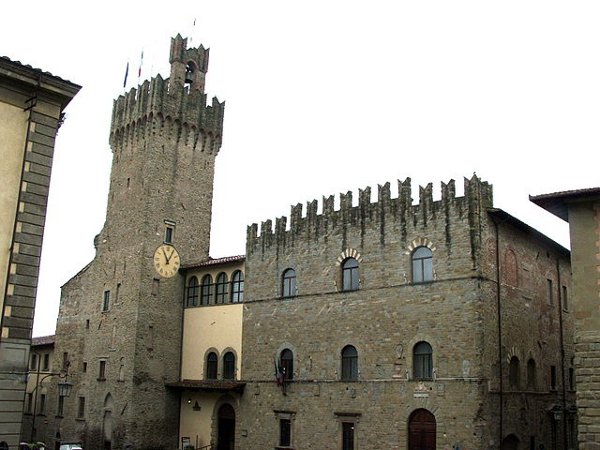
The city's population is 108,000, which .. The inner city expands, wrapping a hillside on which it stands, with a plant almost semicircular, whose center is occupied by the Cathedral, which is situated in a dominant position, 286 meters. From the Piazza del Duomo depart radially the three main streets of the city on their way to the Val di Chiana, the Valdarno di Sopra, in the Casentino. Via Garibaldi size, the three major main roads, following the axis of the semi-circle. Outside of it, towards the railway line, there are less ancient neighborhoods, with streets, straight, wide, tree-lined, which refer to the large square in the center of which stands the monument to Guido Monaco erected in 1981 to mark the centenary of the great Arezzo.

A characteristic feature, keep the streets of the medieval Old Town and the cobbled streets lined with buildings in the sixteenth century. Noteworthy is the Cathedral, whose facade is modern renovation, in harmony with the interior architecture, with three naves of Roman-Gothic style, beautiful and hexagonal, also modern and rich in the works of painting and writing. Notable Santa Maria della Pieve with its portals, the work of the thirteenth century, with a high tower campacaria. Fine the churches of S. Francesco (XIII century restored between 1900 and 1920) with the frescoes of Piero della Francesca and St. Dominic (XIII; later restored), built on the design of the Annunciation Nicola Pisano (1491-1517) by Antonio Sangallo, and the Santa Maria delle Grazie (XV) attributed to Benedetto da Majano with its elegant portico, which is reminiscent of the Servants, in Bologna, as well as the Loggia del Vasari.

Arezzo is a city in Tuscany capital of the province, in m. 296 on a mild slope of the northern edge of the Val di Chiana where this is grafted with Casentino, Valdarno, with the wide grooves of the Arno, one to the east, the other west, the Apennine ridge Pratomagno (1592 m).

The city's population is 108,000, which .. The inner city expands, wrapping a hillside on which it stands, with a plant almost semicircular, whose center is occupied by the Cathedral, which is situated in a dominant position, 286 meters. From the Piazza del Duomo depart radially the three main streets of the city on their way to the Val di Chiana, the Valdarno di Sopra, in the Casentino. Via Garibaldi size, the three major main roads, following the axis of the semi-circle. Outside of it, towards the railway line, there are less ancient neighborhoods, with streets, straight, wide, tree-lined, which refer to the large square in the center of which stands the monument to Guido Monaco erected in 1981 to mark the centenary of the great Arezzo.

A characteristic feature, retain the streets of the medieval Old Town and the cobbled streets lined with buildings in the sixteenth century. Noteworthy is the Cathedral, whose facade is modern renovation, in harmony with the interior architecture, with three naves of Roman-Gothic style, beautiful and hexagonal, also modern and rich in the works of painting and writing. Notable Santa Maria della Pieve with its portals, the work of the thirteenth century, with a high tower campacaria. Fine the churches of S. Francesco (XIII century restored between 1900 and 1920) with the frescoes of Piero della Francesca and St. Dominic (XIII; later restored), built on the design of the Annunciation Nicola Pisano (1491-1517) by Antonio Sangallo, and the Santa Maria delle Grazie (XV) attributed to Benedetto da Majano with its elegant portico, which is reminiscent of the Servants, in Bologna, as well as the Loggia del Vasari.


Archaeological Etruscan document the existence of Arezzo (Arretium) since the sixth century. BC The city continued to flourish during the Roman period, when it was organized as a town hall with a vast territory.

In the first imperial period its sealed ceramic red coral with relief decoration (ceramic Arezzo) became famous and was exported and then imitated throughout the territory of the Empire. It was famous as much as they are now its industries goldsmith who, along with businesses of various types of Arezzo are one of the richest cities in Italy. The classical period the Archaeological Museum provides rich testimony: his most famous piece is probably the crater of Euphronios 500 BC

Rich and intense was the life of the city in the Middle Ages. We remember only one episode: the clash with Florence Campaldino in 1289 that reminds us of famous verses of Dante Alighieri. Traces the exile Florentine poet is full of rest and the nearby beautiful Casentino valley, one of four in the Arezzo area with Valdarno, Val di Chiana and the Tiber Valley. In 1384 Arezzo was practically "sold" in Florence and from then on his story was that of the Florentine Republic before the Signoria and the Grand Duchy of Tuscany then. Physicians naturally left their mark in the sixteenth-century fortress in the north of the city. In the historical center, who walks along the Corso or the narrow medieval streets that lead up to the highest part where the Gothic cathedral dedicated to San Donato, often has the impression of being inside one of the frescoes of Piero della Francesca's Legend of the True Cross, in St. Francis. In the background of the discovery of the three Crosses, Jerusalem has the traits real dell'Arezzo fifteenth. The Romanesque period the capolacvoro is the church of Santa Maria dei sec. XII and XIII, of great beauty, which contains, amongst other works of art a polyptych by Pietro Lorenzetti. In the Church of San Domenico then there is another exceptional piece, a Crucifix by Cimabue.

In this town was the birthplace of Francesco Petrarch and, a few centuries later, Giorgio Vasari, famous for his Lives, still indispensable text for the biography of the artists until the sixteenth century.

In Arezzo still runs every year the Giostra del Saracino, a traditional festival in costume. With the spear skilled knights on horseback attack the wooden figure of the "tumbler" which in turn can affect horse and rider with a weapon he holds in his right hand if that, once hit, does not go away quickly.

Arezzo: The birth of the free Commune

It is the rebirth after the Mille to trigger a new ferment economic, demographic and housing. Hinge and emblem of the recovery is the birth of the free Commune, which rapidly extends its dominance in the countryside, eroding the noble powers of the ecclesiastical authorities. The presence of a console is attested in Arezzo since 1098.

Around 1200 urban development leads to the construction of a new circle of walls, which on the NE side reconnects to the Etruscan-Roman times, while on the slopes S 0 and embraces a semi-circle the base of the hill with a clipping path still visible in the street Garibaldi (15 Kb). I1 perimeter of the city reaches 2,600 m. and encloses an area of ​​approx. 51 hectares, the main radial village becomes the master. In the course of the thirteenth century are situated at the top of the hill numerous public buildings and casetorre (36 Kb) is completed the construction of the first great basilica of the town hall, the church of S. Maria, a splendid example of Romanesque architecture (14 Kb). At the end of the century, under the influence of the new gothic style which is emerging: the construction of the Cathedral, an event that follows the forced return of the bishopric within the walls (1203), and the churches of two major monastic orders preachers : S. Francis and St. Domenico.

The city life is regulated by the city, governed mainly by the Ghibellines, which extends its control over a vast territory (from Borgo San Sepolcro to Massa Trabaria, mid Valdambra the Valdarno, Casentino from the Chiana Valley) being protagonist of the bloody seizure of Cortona (1258) (11 Kb) and clashing with varying degrees of success with large nearby towns (Siena, Florence, Perugia, Città di Castello).

The defeat suffered by the Ghibellines in Campaldino (1289), where he died the same Guglielmino Ubertini bishop of Arezzo, Florence and Siena puts in possession of large portions of the territory of Arezzo.

The cultural revival includes the opening of the Studium - whose legal systems governing in 1255 one of the oldest medieval universities - the flowering of liberal arts and the business of poets (Guittone, 1235 ca. - 1294) and artists (Margarito d ' Arezzo, 1236 ca. - 1293 approx.), followed by Florentine masters (Cimabue, Crucifix in S. Domenico) and Siena (Pietro Lorenzetti, polyptych of the Parish). In 1304 Arezzo gives birth to Francesco Petrarca, the son of a Florentine escaped.


Arezzo: The Lordship of Tarlati

The Rise of Guido Tarlati (bishop in 1312, in 1321 lord for life), home of the powerful Ghibelline Pietramala (his coat of arms is kept at the Coat of Arms of the State (28 Kb), while his cenotaph is located in Cathedral (25 Kb), lifts the city from the defeat of Campaldino and starts in the first decades of the fourteenth century a new, intense period of development.

In the wake of re-conquests and territorial expansion will proceed to a further widening of the walls towards the plains of the south; work is completed, the civic walls enclose an area of ​​107 hectares.

A Guido Tarlati happens in the lordship his brother Pier Saccone (1327), with whom he began a rapid process of decay, in 1337 the city was sold for the first time in Florence, which brought to power the Guelph party.

Recovered their independence and failed several attempts to establish a government mansion, we arrive between 1376 and 1384 to a prolonged political crisis, during which the city is repeatedly sacked. In the same 1384, was sold again in Florence from Enguerrand de Coucy leader for 40 thousand gold florins and definitively tied to the fate of the dominant, Arezzo lost, along with independence, much of its cultural and artistic autonomy.

Spinello Aretino (1346 ca. 1410) is the latest local artist to work in the city in the second half of the fourteenth century, in the course of the next century the cultural environment Arezzo is dominated by the personality of training in Florence, which leave a clear imprint even in ' architecture town, in the transition from the Gothic to the Renaissance.

In the fifteenth century operate in Arezzo Bernardo Rossellini (Palace of the Fraternity), Benedetto da Majano (portico of S. Maria delle Grazie), Giuliano da Majano (cloister of the Badia), Parri di Spinello, Bartolomeo della Gatta (a project of the Church of the Annunciation ).

But the event of greatest flow rate is the assignment of Piero della Francesca frescoes in the choir of the church of S. Francis, from office, awarded in 1453, was born the famous cycle of the Legend of the True Cross, which was to come into the category of masterpieces of Italian art and universal. They come from Arezzo, however, men like the humanist Leonardo Bruni (35 Kb) (1374 approx. -1444), Author of the Historia Florentina, writers Benedict (13 Kb) (1415 -1466), Francesco (1416-1488) and Bernardo ( 1458 1535) Welcomed the corrosive writer Pietro Aretino (1492-1556).


Small tips for finding their own solutions for holidays in Tuscany.


Those who approach the idea of ​​spending his holidays on the Tuscan coast will need to consult a guide coast hotels Tuscany to find hotels on the Tuscan coast or hotel on the Tuscan Riviera.


The Italianists prefer to look for hotels or hotels on the Tuscan coast in Tuscany.


It should however be considered that the Etruscan Coast is in fact in Maremma

(Remember that reaches up to the Maremma Livorno), then refer to the guide in the Tuscan coast hotels will be well oriented to the voice holidays in Maremma and search for hotels in the fen or, if you prefer, hotels in the fen.


Given that in recent years tourism has largely shown a preference for solutions besides housing type hotel, residences in Tuscany, holiday apartment in Tuscany, holiday apartments on the Costa Tuscan vacation homes for rent have become frequent items search of help texts Tuscan tourism or tourism guide the Tuscan coast.


The search for residence on the Tuscan Coast could be profitable since the topic is more general in apartments for rent, holiday Tuscan sea, sailing holiday, summer holidays Tuscany.


It is not to be neglected even the search for rooms Tuscany, basically we are talking about Tuscany Italy, holiday apartment Tuscany, someone with more economic means looking Tuscan villa or villa rentals Tuscany Tuscan coast.


For those who opted for a specific area such as the Etruscan coast or to Castiglioncello in a particular way, it will be well to remember that the search terms to be extended to Castiglioncello holiday besides vacation rental Tuscany Tuscany beach or camping or even Tuscany.


Then there is the chapter of the holiday apartment very popular among couples and even by couples with a baby. Studios for rent Tuscany is therefore a search term very profitable, as well as studios or studio accommodation Tuscany Coast Tuscany.


For those in search of the substance and a room can be enough rooms or rooms holiday accommodation Tuscany Coast Tuscany or even rooms for rent Tuscany should be appropriate search terms as well as rooms Tuscany.


Last but not least, we must remember 's Farm or Farm Holidays Tuscany Tuscany.


It is also for this second chapter as previously said about the Maremma, then checking the Tuscan coast hotels guide or even sleep in Tuscany where the need to search for or type the entries residence in Maremma, Maremma apartments, hotels or hotels in Maremma in the fen.

https://tuscanysea.com/backoffice/immagini/tuscanysea.com/9-17-5-2013-10-17-421.jpg https://tuscanysea.com/backoffice/immagini/tuscanysea.com/9-17-5-2013-10-17-422.jpg

by Valentina
San Vincenzo

St. Vincent was inhabited since ancient ages, the first traces of human presence dating back to the Upper Paleolithic period, and the site continued to be inhabited until the entry into historical times.

This is probably due to its fortunate position, where the metalliferous hills come nearly to the sea forming a narrow passage that connects the plains of the river Cecina with that of the river Cornia. The first known name is that of the Tower of San Vincenzo, derived from the coastal tower was once part of a private residence, but recently acquired by the City.

This tower is part of a series of forts and lookout lookouts scattered along the coast, built to defend the beach and the towns of the interior from the occasional pirate attacks.

The Etruscans certainly did not escape the strategic importance of St. Vincent, with two side valleys that affect the landing hill creating easy with the ability to go back to the inside. Moreover, the place was heavily populated due to its proximity to Populonia Lucumonia powerful at the time, and for the presence of minerals and extensive forests, and foundries, who made it definitely an industrial area of ​​extreme importance for the whole area.

Between the ninth and fifth centuries BC was exerted intense mining activity to which was tied a steel industry and an export trade which constituted a major source of wealth.

The Romans conquered the area, they made the move from San Vincenzo Via Aurelia and in all likelihood you built a village and harbor.

As a result of the barbarian invasions, the Lombards built on the hill overlooking the sea, the Castle of Biserno (in the current quarries of San Carlo) that, with the advent of the Germanic emperors, passed into the possession of the Gherardesca.

In 1304 the Republic of Pisa destroyed the castle and built the coastal tower, construction, initiated the formation of the first settlement made up of huts of fishermen and farmers, giving rise to the new community of San Vincenzo, realizzandovi also a customs and a wharf load.

With the fall of Pisa in 1406, the community passed under the dominion of Florence and became part of the territory of Campiglia.

The August 17, 1505 at the Tower of St Vincent the Florentine militia defeated Bartolomeo D'Alviano, commander of an army of fortune, who came running to the aid of the rebels Pisa. After this event, the community of San Vincenzo follow the fortunes of the Grand Duchy of Tuscany until the unification of Italy.

St. Vincent became an independent municipality in 1949, it separated from that of Campiglia Marittima, by Decree of the President of the Republic n. 414 of 3 June 1949.

Wide beaches of white sand and very fine stretch of a cobalt sea.

The pine forest, stretching out to the sea, is dense and shady, full of trails for walking, hiking, horseback riding.

San Vincenzo combines natural beauty with the comforts of a welcoming and hospitable, making it an international tourist destination, where you can live all year round, relaxing holidays.

Inhabited since ancient times, then Etruscan and Roman settlement, now St. Vincent is a modern and efficient, plenty of accommodation and sporting facilities and a well-equipped marina.

It has an international reputation for its restaurants that offer dishes based on local products and wines of the area.

The Rimigliano, a rich natural environment and protected the nearby medieval villages, the Etruscan ruins of Baratti and Campiglia and the spa Venturina, make it the ideal center of gravity for interesting tours and excursions in the Etruscan Coast.

It 'a crystal clear sea that bathes San Vincenzo, edged by a thick pine wood, lush Mediterranean vegetation.

The beautiful beach of fine, golden sand, stretches for many kilometers and is home to stalibilmenti beaches alternating with long stretches of beach and the Blue Points, where you can rent chairs and umbrellas.

Dot the shoreline of the ancient Tower of St. Vincent, built in 1300, which gave its name to the place, along with other fortifications and lookout lookouts, once used to defend the coast from pirate attacks.

The air is clear and a light breeze favors the practice of water sports.

Ancient and important port for trade in goods, today the marina, spacious and equipped, is able to accommodate hundreds of boats


THE NATURAL PARK OF RIMIGLIANO - San Vincenzo (Livorno)


Unspoilt nature and protected characterizes the Rimigliano Natural Park, an oasis of flora and fauna, located directly on the sea, inviting walks in the countryside.

Founded in 1973, with an area of ​​about 120 hectares, the Park is one of the most charming places of the coast.

On the sand, that stretches between St. Vincent and the Gulf of Baratti, flowers lily of the sea and the sand dunes are covered with juniper, myrtle and mastic:

Holm oak and cork trees and pine trees lapping on the beach of fine golden sand.

The beach is free and is home to Blue Points, equipped with various amenities.

Live in the Park, among others, the wild rabbits, weasels and foxes, among birds, pheasants and tits.

by Valentina
Pittori macchiaioli mare

Edward Borrani Pasture in Castiglioncello (1861) oil on canvas, cm 30,5 x84 Signed lower left: O. Borrani   He went during the summer of 1861 along with Sernesi Pistoia Apennines, Borrani fails to show up at the Promoter of the same year with Florentine works in that location, so as to be ascribed to Yorick in the "school news" in the same way by Signorini and Cabianca, in turn vets stay in La Spezia: "The gentlemen Cabianca, Signorini and Borrani belong to the school news that effects people of the call, and exhibit three paintings according to their consciences" (Yorick, 1861, p. 177). The technical testing initiated by Borrani during their stay in St. Marcello Pistoiese is deepened in the presence of the scenarios of Castiglioncello, with outcomes similar to those of Sernesi brightness, according to the well-known comparison established by Cecchi in 1926 between La Punta del Romito view from Castiglioncello of Sernesi (1864) from Castiglioncello and Vada view of Borrani (1864), considered by the critical work of the same hand. In this pasture, the artist expresses an impression on the other hand absolutely individual, which is the same as Orto in Castiglioncello (1862-1864) and House and marina in Castiglioncello (1862-1864), according to which the investigation of the suit harmony of nature coastal combines the interest for the life of the fields returned through the epic story of peasants outlined with elegant draughtsmanship of ancient setting. It is precisely the definition of compositional groups, usually peasants surrounded by animals, which captures the artist's draughtsmanship wisdom, gained from the study of the frescoes by Paolo Uccello in the Green Cloister of Santa Maria Novella and Giotto in the church of Santa Croce (Cecioni, 1905, p, 339), as well as that solid plastic, consistent with the research chiaroscuro typical of his "excessive fanaticism for the new art" (ibid., p. 338).   John Costa One evening in the Maremma 1855 oil on canvas, cm 10,6 x27, 5 Signed and dated on the back by the artist: One evening in Maremma Giovanni Costa 1855   On the basis of this affinity with the painting preserved at Castle Howard, exhibited at the New Gallery in 1890 with the title Bocca d'Arno (1889), Nicholls advances already in 1982 the idea of ​​a setting on the Tuscan coast, until, as a result of further study of the architecture depicted in the background, the same be Nicholls concludes the coastal town of Lorraine at the fort of Bocca d'Arno, where, among other things, the artist in his memoirs that he had entertained guest at the customs officers around 1856. The commitment of Nino Costa at Marina di Pisa is substantiated by a color and Atmospheric Research, which aims to accentuate the striking note of the location, as in this sunset effect, in which the pitch of heaven repeats the golden range of coastal vegetation , albeit in a shade brighter, to confirm what the artist to concentrate on specific issues and techniques to discuss it with students who assisted him in his routes. The influence of the Roman in Tuscany, identified by Cecioni as "the most beautiful and most important page of the artistic life of the Coast" (Cecioni, 1905, p. 327) coincides with indications of a stylistic as well as expressive as refers Discovolo later, Antonio: "All of a sudden he stopped and with an eye toward the sky and said," You see there, under that blue, there's the red, as there is blood under the skin. Keep this in mind when you paint. The preparation of a painting is of great importance "(Discovolo 1983, pp.. 63-64).   Giuseppe Abbati The house of Diego Martelli in Castiglioncello (1862) oil on canvas, 21,3 x50 cm Signed lower left: G. Abbots   The survey aimed at defining the bright color characteristic of the Tuscan tenements subject to change time and season, according to the phases identified in the different versions of Narrow street in the sun, unfolds in this painting with a wider range of prospective breath, so as in other works in Castiglioncello, including View of Castiglioncello, also depicting the property Martelli. The need to assert a original appearance at an event in favor of his own inspiration which outlined the stay along the Tyrrhenian coast, abbots coincides with the search for a combination of personal touch tones, according to the testimony of Hammers: "But as the palette gives us so many endless combinations to equate the endless combinations that match all of the things subject to light in nature, he tried in a lower tone of the true to give the whole tone of the true "(Martelli, post 1870). Moreover the changing light conditions in the sea, as well as the variety of appearance of the Tyrrhenian coast, he had to solicit abbots to final outcome, given that the last letter sent by the artist to his friend the art critic, he argued that "felt called to come to this happy of his work" (Martelli 1877).   Vincenzo Cabianca Beach in Viareggio in 1865 oil on canvas, 40x77 cm Signed and dated lower left: V. Cabianca 1865   The discussions were held alongside Signorini and Cristiano Banti during your stay in La Spezia in 1860, substantiated by "works and attempts arditissimi," coinciding with "real progress" in terms of yield of light phenomena (Cecioni, 1905, pp. 335 -336), continues to Cabianca in subsequent years, as part of a series of views acclimatized along the coast of the Tyrrhenian Sea, from Versilia in La Spezia, coinciding with the stops inside the sight of the sea, where the artist is able to deepen "the effects of the sun" (ibid., p. 335) with the intention of militant: "In his works, especially in the first, the pursuit of light and dark and color ratios is certainly bold and daring than arrogant" (ibid., p. 332). The regret of Cecioni about the unnatural hue palette Cabianca, as well as the condemnation of Signorini about the excesses of Bathers color among the rocks, delineate the coordinates of conduct original technique in the presence of the navy, consisting of color and boldness light is not quite in tune with that investigation on the relationship of tones that was perfected within the macchiaioli. It should be pointed out, however the distance between the impression experimental Bathers among the rocks, where Signorini deprecates the drafting of "a sky so weight and missing nitrogen" and the lyrical tone of this marina, which is evident in the delicate purple color modulation profiles mountain that fades with natural agreement in the expanse of the sky.   Giovanni Fattori The libecciata (1880-1885) oil on canvas, cm 19,2 x32, 2 Signed lower left: G. Factors Gallery of Modern Art Palace Pitti, Florence   The feeling of the season and the place shall base this up to make it one of the most distinct evidence of the stylistic path of factors, which started in sixties with the wind Manes (1867) and matured in the eighties, coinciding with the evolution from the view the landscape-realist state of mind. The ability of factors to finalize the technical experiments to yield expression of the reason is intensified in the production of marine eighties, especially in the two versions of the Libecciata, where the compactness of the inlays tone gives way to a drafting vibrated to such an extent as to foresee certain outcomes at the turn of the century of real sea-state of mind, which Sunset on sea (1899-1900). The fulfillment of ongoing research by factors in the wake of the lesson of Nino Costa, from The Macchiaoli, exhibited in Florence in 1867 and appreciated by Signorini in terms of evidence of '"impression [...] of the season" and "character the country, "is even more evident in the sight of the marina, where the identification of the color of the season, and it joins with local weather broader issues, so as to involve one of the most daring protagonists of the pointillist technique, or Lloyd, who in 1929 confesses tried ecstasy in front of the painting: "Once I was bowed to the ground in admiration before the canvas representing a sea upset by the south-west with the tamarisk rabbuffate by the wind. Enraptured by the beauty I was in ecstasy" (Lloyd, 1929, pp. 20-21).   Giovanni Fattori Waterfront Antignano 1894 oil on canvas, 60x100 cm Signed and dated lower right: pl Factors 1894 Museum G. Factors, Municipality of Livorno   It dates back to 1894, a letter of factors to Adele Galeotti (Livorno, July 31, 1894), where the artist admits rhythms of execution rather loose, except a marine "1 m., And about 60 cm," or this Promenade, which is with certainty the setting in Antignano, at the villa of "Miss Civelli": "I do not fo almost nothing for now - that is, no nothing - fo nothing less than a frame of 1 m., and 60 cm - from the truth - Land and sea - will see it - here's why ... - Miss Civelli who all'Antignano (place of bathrooms far from here 4 miles) a beautiful villa, and I do pandant as it was with her when we went on the lake Trasimeno. " The survey of tonal variations intensifies in the presence of marine Livorno, but always on the basis of the belief expressed by realist factors in 1891, according to which there is no need to alter the light gradation in view of spectacular effects, "the manifestations of nature are immense, are large, not always living presence of light, not always looks sad and dark "(Florence, February 1891). If the artist in this research the effect of sunlight, he is committed to maintaining a natural color, according to the dictates reiterated to the students on the occasion of the controversy concerning the luminous experiments of Muller. The condemnation of Factors in fact does not invest "attempt of light", the rest by himself pursued with perseverance and innovative spirit, as the risk inherent in academia Mullerian a '"art without form or concept" and the "forgetfulness of all relationship of color and chiaroscuro "(ibid.). Giovanni Fattori Fishermen all'Antignano (1895) oil on canvas, 44x95 cm Signed lower left: Thu Factors   Since the early nineties Factors deepens the awareness of their artistic individuality, even in the presence of the trials of the students, so that in a letter to Nomellini of 18 January 1891, reports the consensus obtained from his works exhibited at the Promoter Florentine 1890-1891 "I have said and written that my works make a good impression, especially is very noticed my individuality." The commitment of factors goes into this marina towards the synthetic transcription of one of the most picturesque in the Livorno coastline, where the crystallographic structure of the reef runs along a path investigated with painstaking dedication, so as to constitute an inspiration for other similar views . On this occasion, the artist achieves a completeness that assemble in a single visual composition phases, developed individually and then in a series of variations on the ground, such as Marina Livorno (Malesci 1961, no. 538), boats and fishermen (ibid., n. 645) and On the Beach (ibid., n. 752). In particular, the geometric definition of the sharp shapes of the rocks lapped by the waters is found as a reason in its own right in the Navy Livorno, while the combination, punctuated by a rigorous metric, between the silhouettes of fishermen and those of the hulls, appears with varied compositional intent in the other two marinas. In the presence of the coastal scenery, the artist does not intend to alter its conduct light outside of a normal track of correct relationships chiaroscuro, but prefers to identify the "form", the "language" and the "feeling" of nature, in contrast to exasperation that technique pursued at this time by Muller, considered by factors such as the denial of artistic: "invoice nothing - nothing design - subject negative sentiment" (Factors, Florence 14 March 1891).   Signorini Vegetation in Riomaggiore (1894) oil on canvas, 58x90 cm Signed lower right: T. Signorini   During the nineties the artist seems to focus on the issue of the navy in systematic terms, given that in 1895 even decide to lay a path of their own artistic experiences along the Ligurian coast, as evidenced Roofs in Riomaggiore (1892-1894) and from the sanctuary Riomaggiore (1892-1894). The attraction to the character of this picturesque coast is found mainly in the search for increasingly bold cuts in perspective, which call Signorini an emotional disposition of ever greater emphasis weather. In this marina is detected the appearance of a bold awareness light, as the search for an analytical definition of the foliage in the foreground is accompanied to the attempt of removal prospective horizon, via the gradation of shades of vegetation, clouds progressively until bordering the sea surface, whose atmospheric transparency in terms of natural joins with the sky.   Peter Senno The Gulf of La Spezia (1901) oil on canvas, 85x150 cm Municipal Art Gallery Foresiana, Portoferraio   Present at the Promoter Florentine 1862 with a marine Elba, Reason took the Island of Elba, Peter Sense is dedicated to deepening the investigation Atmospheric coastal view in the course of its study routes near picturesque villages, including, in addition to 'Elba Island, the Gulf of La Spezia, Portovenere, the Maremma, Bolster, Argentario. The way the initial of the artist, praised by Signorini in 1867 in terms of a "large bill" that "feels powerfully the impressions of true," indulges in dark tones and special effects, again according to the critic, who urges him to make " less heavy and black "and to have" a hand less easy "(Signorini 1867). The footprint is accompanied in this scenic view to increased sensitivity Atmospheric, according to the tendency noted by the Signorini in the eighties to a "prodigious easy to believe that impressions always have a very short shelf life" (Signorini 1884), which continued until the beginning of the twentieth century. The specificity of the evolutionary path of Sense is remembered by Mario Foresi, from detachment from the "academic conventionalism" of Markò and D'Azeglio, to the latest marine, where he turns "toward realism, toward the faithful representation of what that was offered to her look, more and more suffused with the light of his own imagination and shaded by a canopy of singular idealism "(Foresi 1904-1905 p. 236). The "edge Horace" maintained by the artist between the acceptance of the achievements Macchiaoli and conduct academic, enables it to provide a note to the genre of marine atmospheric greater verisimilitude, without sacrificing the scenic register, so that his last "Thalassica" collect the critical appreciation of the twentieth century, and his LIBECCIO over the admiration of Vittorio Corcos, gets the prize by the jury of the exhibition of Modern Art in Florence in 1902.   Tito Conti Channel, Viareggio 1883 oil on panel, 14x24 cm Signed lower left: Tito Conti; dated on the back: Fair charities, Viareggio. August 15, 1883   Devoted to the Seventies to a production of usually very close to that of Francesco Vinea, made with "great care and love quite unique" (Carocci 1875), Conti resolves, in the course of the eighties, in a pictorial behavior more staff, in line with the technical experiments of the Tuscan school. The verve sma retailer of this marine Versilia makes note of the artist's desire to revise the dictates of a gracefully as academic in light of a technical effort, without forgetting the basic draughtsmanship, monsters all the skill of a modern colorist.     Tito Conti The Dock. Viareggio (1885) oil on cardboard, 14,5 x24 cm Signed lower right: Tito Conti   Signorini Included among the "talented artists" with Francesco Vinea, Bartolomeo Giuliano, Peter Sense and Raimondi (Signorini 1867), Tito Conti must be ascribed to that group of Tuscan artists engaged in updating of genre painting through the acquisition the technical principles established themselves in the course of the eighties. One of the consequences of this update is to concentrate on those grounds that the artist most lent themselves to the application of a new way bright, in harmony with the conduct of others, which Vinea and Faldi, devoted to a study in the same year by the tireless true. And it is just in front of the harbor and the beaches of Versilia Accounts that can change their language, perfecting the science of tonal relationships, and drawing upon a thematic stimulating panache and relevance.   Ugo Manaresi The Ardenza (1892) oil on canvas, 77x200 cm Dedicated lower left: E. A Virgil Livorno 18 (?)   This marina is an exemplary witness of the variety of inspiration in the marina, not separated by a "commendable" tonal conduct, recognized by Signorini Manaresi since 1879. In addition to the genre of the allegorical painting The man and creation - exhibited at the Promoter Florentine 1880 - and the romantic shipwrecks to Salvator Rosa, the artist cultivates in fact a record of realistic footprint, from the Florentine Promoter of 1881, which In presents new dock (Marina), Exposition of Livorno until 1886, when it manages to establish itself as an artist specializing in marine, always with two reasons the dock Livorno. In the late eighties and early nineties Manaresi thus appears to be engaged in the bedding of their vision from the truth in front of the coast of Livorno, to develop a certain detachment from the repertoire of the conventional kind sailor and to prepare a pictorial address more personal. This marina, conception similar to that of The Mug. Livorno (1889) - played by Mazzanti in 1941 - would seem to ascribe to the latter phase, as there you can recognize the deepening of a study from life on the coast dell'Ardenza, made with a technique so wise and bright with a writing so detached, still be present in the twenties Vinzio eye of Julius Caesar, who also specializes in marine, as well as friend and admirer of the artist: "The brushwork is edgy, nervous, without regrets or concerns of a technical or fashion, it is clear, firm and secure "(Vinzio 1927-1928 p. 46). The ever-increasing dedication to study from life allows the artist to switch part of their production activities of various official destination, such as a few shipwrecks, with a footprint of more intimate - as confirmed by this marina - which is that left a legacy for future generations, according to the testimony of Vinzio: "In tablets, studies and clipboard, which he painted for himself, he was very effective" (ibid.   Ugo Manaresi Bathers at Quercianella 1894 oil on canvas, 97x44 cm Signed and dated lower right: U. Manaresi 1894   The work must reconnect certainly a painting by Gino Mazzanti quoted on the "Journal of Livorno" 1941: "in a sketch treated with broad brushstroke and juicy, which is titled Bathers, bleak cliffs against the light of the sunset, naked women from the forms of siren and the iridescent waters give life to a strange composition between myth and reality "(Mazzanti 1941, p. 90). The inclination of the register Manaresi allegorical stood up from 1880, when he presents himself at the Promoter Florentine with man and creation, but continues over the next several years, as confirmed by Mazzanti in this reference to "attempts to representations symbolic and fanciful and vague reasons compositions idyllic and pastoral "(ibid., p. 79). The commitment disegnativo sculptural artist in the definition of women's bodies, it goes in this marina to a renewed awareness of light, compared to the series of Shipwrecks of the first period, especially with regard to the yield of the illusionist brown cliff Avanti composition, whose dark shades stands out in contrast to the sea surface, animated by the latter suggestive transparencies. The use of a refined elegance of the section designed as the delicate orchestration of color glazed, increases the effect of suspension of the scene, allowing you to ascribe this to the trend of "marine between dream and reality, similar to those of Claudio Lorraine "(ibid.).   Adolfo Tommasi The diligence of Castiglioncello (1880) oil on canvas, 32x59 m Signed lower right: Adolfo Tommasi   At the date 1880 Adolfo Tommasi appears to have already made a first fundamental reflection on the problems atmospheric joined to the view from the truth. This reflection, which emerged in the episode's official After the ice (1880), is exposed to anti frontloading studies Promoter Florentine year, favorably noticed by Signorini, in particular a "bozzettino ... very, very full of light , relief, intonation "and Autumn, where" the sky has a bright depths "(Signorini 1879). The maturation of conduct light allows the artist to compete with the registry more complex view of the coast, in which the reason of the Tyrrhenian coast seen foreshortened, as well as being a test case for other Tuscan artists, first of all Luigi gioli, committed to such an extent Adolfo, intent to see it the same reason, in even more programmatic in Littorale Tuscan exposed to Florence in 1887. On this occasion, the artist aims to animate the coastal road with the introduction of a colorful design, that of the carriage, which contributes to the charm color of the scene, in addition to the measurement of the succession of planes in depth, and then to the suggestion of the 'perspective effect.   Vittorio Corcos Marina (1895-1900) oil on canvas, 37x52 cm Signed lower right: V. Corcos   Analogous to the compositional approach to marine Signorini in Riomaggiore, this work demonstrates the artist's preference for a situation of greater emotional impact than the usual serene view of the Tyrrhenian Sea, which is typical of works such as the sea Reading (1910) and The Cuddihy (1915). The artist focuses in fact made of a marina on the storm which enhances the impression gloom, darkening the tone of the vegetation in the foreground, muffling the tone of the expanse of the sea and obfuscating the transparency of the sky with a relentless crescendo of colors gray. The yield of these effects Corcos place within the group of Tuscan artists in an attempt to return the emotion received, contribute to the evolution of the navy in terms of landscape d'animo-state, which is accompanied by a constant observation of the true that engages the artist in terms of the surrender of the local color and the characteristic profile of the marina.   Vittorio Corcos Ada backlit 1905 oil on canvas, 56x46 cm Dedicated, signed and dated lower right: To my dear Ada May 1905 V. Corcos; signed lower left V. C.   Baptized by Ugo Matini "the cute painter of the graces feminine", Vittorio Corcos this gives the suggestion of a silhouettes, softened by the vibrations of light filtering through the doorway spreading across the view of a suspension, which is in itself an expression of a state of mind. Years earlier, with flowers hedge (1891), he explored the effect of the bright backlight on the threshold, emphasizing the intent portraiture; intent here mitigated by the glimpse of the sea, to which more than a portrait, it is thought , for an "open window" (Tarchiani, p. 261). Under a succession of carefully-gauged against the Avanti of the composition, the only chromatic note of compactness is unalterable fact, bright enamel outlining the expanse of the sea in the distance, extreme gradient prospective view. Vittorio Corcos Castiglioncello 1910 oil on canvas, 72x133 cm Signed and dated lower right: V. C. Castiglioncello 1910   As early as 1890 Corcos had captured the attention of critics as a marine painter, when Fonseca speaks of him in terms of "delicate artist who once had from her earliest work a predilection for the sea, but always for a calm sea equal to its painting. " In particular, the hint of Fonseca to a Ligurian sea, on the beach, denotes the presence in Corcos, in the same way that in Gioli and Tommasi, of that will upgrade technical as early as the nineties through new coastal itineraries, where find out more picturesque scenery for their own reasons. Moreover, the setting of the female figure in front of the sea becomes Corcos, as well as other Tuscan artists dedicated to the study of feminine, such as Arturo Faldi and Italo Nunes-Vais, a chance to animate the conduct essentially draughtsmanship with a renewed Atmospheric sensitivity. The identity of inspiration for this work with a marine Faldi, exposed to the Promoter Florentine 1907-1908, pending a visit desired, as well as a marine-Nunes Vais set in Versilia between 1905 and 1910, Scanning the horizon, allows us to reconstruct a fabric of relations between Tuscan artists, who, during the first decade of the century, continue updating your language brighter and therefore more scrupulously investigate the coastal landscape, so that Corcos holds more and more frequently on the coast of Livorno, while Faldi and Nunes-Vais move on the coast of the Tyrrhenian Sea, the first to Portovenere, the second in Forte dei Marmi.   Vittorio Corcos The Cuddihy 1915 oil on canvas, 120x125 cm Signed and annotated in the lower left: V. Corcos THE cuddly 'in 1915   The propensity monumental artist was often demonstrated in the field of portraiture, there is also the presence of the sea, as had been foretold by Soderini Countess Frankenstein (1889) and In reading the sea (1910). It follows a similar pictorial behavior, guided by the plastic clarity and brilliance of tone, while the outline disegnativo back to return to the human figure quell'incisività typical of female portraits of the artist. More than in previous marine, the artist here focuses return the exact optical reflections of the expanse of the sea, which is colored in bright notations, so as to foresee the echo of technical research has long been probed by Tuscan colleagues.     Alfredo Muller The Bagni Pancaldi in Livorno in 1890 oil on canvas, cm 73x53, 5 Signed and dated lower right: Alfredo Muller. Livorno / April 2, 1890   The technical update of Muller on the "new verb impressionism luminista monettiano" (Tinti, 1921, pp. 156-157) is accomplished, according to the testimony of Mario Tinti, the date of 1890, with the stated marine Livorno, become immediately a "textbook" for many painters Livorno. In confirmation of such visual suggestions were to offer the bright coastal views from Livorno for the application of the "new technique in small strokes, full-bodied, uniforms and flickering" the artist, returned from Paris, is presented to the Promoter Florentine 1890-1891, just with a Marina (vibration white, yellow, blue). John Bartolena Marina in Castiglioncello (1925-1930) oil on panel, 26x37 cm, 8 Signed lower right: Joe Bartolena   On the occasion of the exhibition at the Gallery "The Exam" in Milan in 1926-1927, Renzo Boccardi Bartolena defines "love of his city [...], I pay of the sea and of the sky", distinguishing between "design and solid masses full, the one and the other made of color "still lifes and the emergence of macchiaiolismo in '" eclogue sparkling "landscapes. Of the eleven paintings on display, five were marine, set between Chioma and Quercianella, confirming coastal inspiration of his painting. Defined by Somarè "painter by right of nature" (Somare 1927) and extended by Giolli "in quell'irrigidirsi be simplified and spirit that we already know from Factors to Mario Puccini" (Giolli 1927), Bartolena shows, especially in the sea, where they place along with Lloyd, Ghiglia and Puccini in that line of return to tradition, as part of a recovery of a Fattori filtered through meditation on the primitive.  
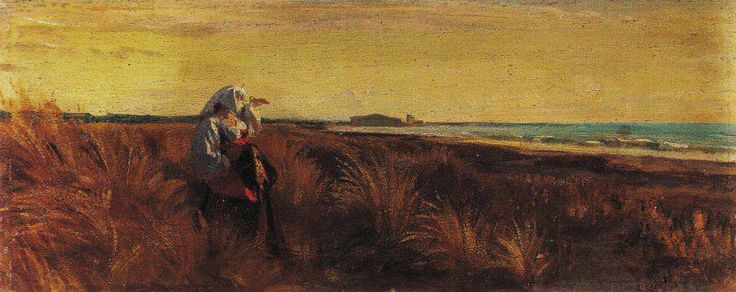
by Valentina
Ristoranti a Pisa

RISTORANTE ROBIN HOOD CENTRO TURISTICO LA CASETTA 56040 CASALE MARITTIMO (PI) 0586.683.697 GIARDINI 2 56040 CASTELLINA MARITTIMA (PI) 050.695.205(n.3 linee) BAR RISTORANTE ALBERGO LE BADIE DI QUINTILIO POLI & C. SNC V. EMILIA - BADIE (LE) 7 56040 CASTELLINA MARITTIMA (PI) 050.699.824 RISTORANTE DA ANTONIO AL MALANDRONE V. EMILIA - BADIE (LE) 115 56040 CASTELLINA MARITTIMA (PI) 050.699.723 RISTORANTE PIZZERIA AGRIFOGLIO V. DEL COMMERCIO 31 56040 CASTELLINA MARITTIMA (PI) 050.695.071 RISTORANTE L`OSTERIA DEL PINZAGRILLI V. PALESTRO 37 56040 GUARDISTALLO (PI) 0586.655.350 RISTORANTE IL FORAPAGLIA VL. V.VENETO 36 56040 MONTESCUDAIO (PI) 0586.650.261 RISTORANTE IL FRANTOIO V. DELLA MADONNA 11 56040 MONTESCUDAIO (PI) 0586.650.381 RISTORANTE RESIDENCE VILLA ELETTA V. PROV. LE TRE COMUNI 85 56040 MONTESCUDAIO (PI) 0586.650.402 RISTORANTE LA VECCHIA OSTERIA DI CATONI V. IV NOVEMBRE 3 56040 MONTEVERDI MARITTIMO (PI) 0565.784.904 RISTORANTE DA PIETRO SNC DI BONTA` UGHETTA & C. POD. VIGNA DANTE - LUSTIGNANO 47 56040 POMARANCE (PI) 058.860.268 RISTORANTE IL GELSO V. F.LLI CERVI 34 56045 POMARANCE (PI) 058.864.739 RISTORANTE LA BURRAIA V. G.GARIBALDI 40 56045 POMARANCE (PI) 058.865.614 RISTORANTE LA CANTINA DI BALSINI DUSE V. XX SETTEMBRE 10 56046 RIPARBELLA (PI) 0586.699.072 RISTORANTE LA FATTORIA LOC. NOCOLINO 56046 RIPARBELLA (PI) 0586.698.129 RISTORANTE LA MELATINA LOC. MELATINA 13 56046 RIPARBELLA (PI) 0586.699.208 RISTORANTE PIZZERIA SAN MARTINO LOC. SAN MARTINO 56046 RIPARBELLA (PI) 0586.699.374 RISTORANTE SAN PECORAIO LOC. SAN PECORAIO 18 56046 RIPARBELLA (PI) 0586.699.032 RISTORANTE LA GOZZETTA SNC DI CANTINI LUCA & C V. DELLE COLLINE 8 56040 SANTA LUCE (PI) 050.685.861(n.3 linee) RISTORANTE LA GOZZETTA SNC DI CANTINI LUCA & C V. DELLE COLLINE (PIEVE) 8 56040 SANTA LUCE (PI) 050.685.814(n.2 linee) RISTORANTE VALLEVERDE S.N.C. DI VERUCCI CINZIA V. COMMERCIO SUD - POMAIA 110 56040 SANTA LUCE (PI) 050.684.011 RISTORANTE CORALLO VL. DEL TIRRENO 16 56018 TIRRENIA (PI) 05033.219 RISTORANTE PIZZERIA IL CACCIATORE VL. PISORNO 2 56018 TIRRENIA (PI) 05037.515 RISTORANTE PIZZERIA LA TAVERNETTA DI GIUGLIANO LUCIA & C.SNC LG. BELVEDERE 9 56018 TIRRENIA (PI) 05032.580 RISTORANTE CAVALLINO BLU DI BBC BG.TA S. ALESSANDRO 10 56048 VOLTERRA (PI) 058.880.068 RISTORANTE DA BEPPINO V. DELLE PRIGIONI 17 56048 VOLTERRA (PI) 058.886.051 RISTORANTE ETRURIA (S.R.L.) P. DEI PRIORI 6/B 56048 VOLTERRA (PI) 058.886.064 RISTORANTE IL POGGIO S.N.C. V. PORTA ALL` ARCO 7 56048 VOLTERRA (PI) 058.885.257 RISTORANTE IL PORCELLINO DI TIBERI MARINO V. DELLE PRIGIONI 8/R. 56048 VOLTERRA (PI) 058.886.392 RISTORANTE IL POZZO DEGLI ETRUSCHI DI CACIAGLI PAOLO V. DELLE PRIGIONI 30 56048 VOLTERRA (PI) 058.880.608 RISTORANTE IL VECCHIO MULINO DI DELLI V.DEL MOLINO 56048 VOLTERRA (PI) 058.844.060(n.2 linee) RISTORANTE LA PACE DI VANNINI GIAMPAOLO V. MINZONI DON 29 56048 VOLTERRA (PI) 058.886.511 RISTORANTE LA TAVERNETTA V. GUARNACCI 16 56048 VOLTERRA (PI) 058.887.630 RISTORANTE OMBRA DELLA SERA V. GRAMSCI 70 56048 VOLTERRA (PI) 058.886.663 RISTORANTE SELF SERVICE V. MATTEOTTI 19 56048 VOLTERRA (PI) 058.886.180

by Valentina
Ristoranti a Livorno

RISTORANTE ANTICO PONTE C. MATTEOTTI 25 57023 CECINA (LI) 0586.680.065 RISTORANTE BARABAU V. SIENA 4 57023 CECINA (LI) 0586.620.263 RISTORANTE =DA CLARO= DI MACCHIONI MAURO V. DELLE GORETTE 2 57023 CECINA (LI) 0586.620.561 RISTORANTE DA FIAMMETTA FERNANDA V. SFORZA 3 57023 CECINA (LI) 0586.620.391 RISTORANTE ECLISSE DI BERNARDINELLO M. VL. GALLIANO 63 57023 CECINA (LI) 0586.620.469 RISTORANTE EL FARO VL. DELLA VITTORIA (M. DI CECINA) 70 57023 CECINA (LI) 0586.620.164 RISTORANTE IL GATTONERO DI GATTAI SDF LOC. LE GORETTE 57023 CECINA (LI) 0586.620.851 RISTORANTE IL MANEGGIO VL. GALLIANO 123 57023 CECINA (LI) 0586.623.019 RISTORANTE IL MORO DI TORTUGA VL. DELLA VITTORIA (M. DI CECINA) 74 57023 CECINA (LI) 0586.620.447 RISTORANTE L` HOSTARIA V. GINORI CARLO 89 57023 CECINA (LI) 0586.621.219 RISTORANTE LA CAPANNINA LOC. LA CECINELLA (M.DI CECINA) 57023 CECINA (LI) 0586.620.151 RISTORANTE LA CICALA CHE RIDE DI ORLANDINI V. AURELIA KM.282 57023 CECINA (LI) 0586.660.248(n.2 linee) RISTORANTE OLIMPIA DI SANTORO GIOVANNI VL. DELLA VITTORIA 68 57023 CECINA (LI) 0586.621.193 RISTORANTE PIZZERIA IL BARRACUDA V. FERRUCCI - CECINA MARINA 183 57023 CECINA (LI) 0586.620.221 RISTORANTE PIZZERIA IL GRIFONE V. GORIZIA (COLLEMEZZANO) 46 57023 CECINA (LI) 0586.661.221 RISTORANTE PIZZERIA O` SOLE MIO V. GUADO ALLE VACCHE 6 57023 CECINA (LI) 0586.620.012 RISTORANTE SCACCIAPENSIERI V. VERDI 22 57023 CECINA (LI) 0586.680.900(n.2 linee) RISTORANTE SNAK BAR V. MONTANARA 57023 CECINA (LI) 0586.631.865 RISTORANTE TARABARALLA DI GUIDI CINZIA V. CURTATONE 19 57023 CECINA (LI) 0586.684.238 RISTORANTE VERDE RIVIERA LOC. CAPOCAVALLO - CECINA MARINA 57023 CECINA (LI) PIZZERIA IL NUOVO GIARDINO SNC LOC. IL GIARDINO 2 57016 ROSIGNANO MARITTIMO (LI) 0586.760.673 RISTORANTE BEIJO FLOR V. DEI LAVORATORI 37 57016 ROSIGNANO MARITTIMO (LI) 0586.790.669 RISTORANTE BRASSERIE LA BARCACCINA V. LUNGOMARE-VADA - VADA 17 57018 ROSIGNANO MARITTIMO (LI) 0586.788.215 RISTORANTE CHIARDILUNA LOC. SERRAGRANDE (RIST.) 57016 ROSIGNANO MARITTIMO (LI) 0586.799.929 RISTORANTE DA ALDO V. MASCAGNI PIETRO - ROSIGNANO SOLVAY 57 57016 ROSIGNANO MARITTIMO (LI) 0586.760.368 RISTORANTE ENOPIZZA & RISTO V. DELLA CAVA (R.SOLVAY) 105 57016 ROSIGNANO MARITTIMO (LI) 0586.793.284 RISTORANTE IL BERSAGLIERE V. AURELIA - CASTIGLIONCELLO 446 57012 ROSIGNANO MARITTIMO (LI) 0586.794.136 RISTORANTE IL DUCALE GIOMI A. & TELLOLI G. P. GARIBALDI - VADA 33 57018 ROSIGNANO MARITTIMO (LI) 0586.788.600 RISTORANTE IL PINZACCHIO DI DILELLA DAVIDE V. DEL CHIAPPINO-CASTELNUOVO MISERICORDIA 57016 ROSIGNANO MARITTIMO (LI) 0586.744.432 RISTORANTE IL PORTICCIOLO V. G.MARCONI - CASTIGLIONCELLO 2 57012 ROSIGNANO MARITTIMO (LI) 0586.752.788 RISTORANTE IN GARGOTTA DI BRILLI DUNIA V. FUCINI - CASTIGLIONCELLO 39 57012 ROSIGNANO MARITTIMO (LI) 0586.754.357 RISTORANTE LA CAPANNINA V. LIVORNO - CASTIGLIONCELLO 16 57012 ROSIGNANO MARITTIMO (LI) 0586.751.104 RISTORANTE LA CONCHIGLIA DI BACCI & C. SAS V. DELLA FORESTALE - VADA 1 57018 ROSIGNANO MARITTIMO (LI) 0586.770.077 RISTORANTE LA GATTABUIA DI GALEAZZI E POZZOLINI SNC V. GRAMSCI ANTONIO 32 57016 ROSIGNANO MARITTIMO (LI) 0586.799.760 RISTORANTE LA LUCCIOLA DI RE DONELLA LGMARE VESPUCCI - CASTIGLIONCELLO 1 57012 ROSIGNANO MARITTIMO (LI) 0586.759.065 RISTORANTE LA PINETINA V. CAVALLEGGERI (LOC.PIETRABIANCA) 57016 ROSIGNANO MARITTIMO (LI) 0586.788.224 RISTORANTE LA PINETINA LOC. PIETRABIANCA - VADA 57018 ROSIGNANO MARITTIMO (LI) 0586.788.093 RISTORANTE LA TETTOIA DI MANCINI LGMARE MONTE ALLA RENA - ROSIGNANO SOLVAY 17 57016 ROSIGNANO MARITTIMO (LI) 0586.764.252 RISTORANTE LA VELA DI BIANCANI LAURA P. TOSCANA - VADA 2 57018 ROSIGNANO MARITTIMO (LI) 0586.770.230(n.2 linee) RISTORANTE LA VELA DI BIANCOLI LAURA LAURA P. TOSCANA-VADA - VADA 2 57018 ROSIGNANO MARITTIMO (LI) 0586.770.470 RISTORANTE LIDO V. LUNGOMARE - VADA 7 57018 ROSIGNANO MARITTIMO (LI) 0586.788.560 RISTORANTE NERI MARCO V. AURELIA-R.SOLVAY 342 57016 ROSIGNANO MARITTIMO (LI) 0586.794.533 RISTORANTE PICCOLA CALA V. AURELIA - CASTIGLIONCELLO (CALETTA) 747 57012 ROSIGNANO MARITTIMO (LI) 0586.794.096 RISTORANTE PICCOLO HOTEL P. MONTE ALLA RENA-R.SOLVAY 22 57016 ROSIGNANO MARITTIMO (LI) 0586.769.064 RISTORANTE PIZZERIA MELI` MELO V. AURELIA-CASTIGLIONCELLO - CASTIGLIONCELLO 570 57012 ROSIGNANO MARITTIMO (LI) 0586.752.269 RISTORANTE PIZZERIA SCOLAPASTA DI BIANCHI MAURA V. AURELIA - CASTIGLIONCELLO 813 57012 ROSIGNANO MARITTIMO (LI) 0586.751.291 RISTORANTE PORTICCIOLO DEL CHIOMA SPA V. AURELIA - CASTIGLIONCELLO KM. 300 57012 ROSIGNANO MARITTIMO (LI) 0586.754.555 RISTORANTE ROSSI SALVO V. DELLA PINETA - CASTIGLIONCELLO 6 57012 ROSIGNANO MARITTIMO (LI) 0586.752.102 RISTORANTE IL CASTAGNO V. CAMPAGNA SUD 5 57020 SASSETTA (LI) 0565.794.219 0565.794.328 RISTORANTE ENOLITECA OMBRONE P. DEI GIUDICI 1 57028 SUVERETO (LI) 0565.829.336 RISTORANTE IL CIAMPELLI S.N.C. DI FIORINI E.&.C. LOC. SAN ROCCO 6 57028 SUVERETO (LI) 0565.829.213 RISTORANTE LA FORESTA LOC. MONTIONI 27 57028 SUVERETO (LI) 0565.845.177 RISTORANTE MARTINI V. D. ALIGHIERI 6 57028 SUVERETO (LI) 0565.829.876 RISTORANTE PIZZERIA LA PERGOLA V. DI BELVEDERE 7 57028 SUVERETO (LI) 0565.829.590 RISTORANTE F.LLI CATARSI V. PER ROSIGNANO LOC. POLVERONI 38 57018 VADA (LI) 0586.788.279 RISTORANTE =IL GIAGUARO= MOLINO A FUOCO - MAZZANTA (LA) 57016 VADA (LI) 0586.770.242

by Valentina
Ristoranti a Firenze

Diladdarno - Via dei Serragli 108r - tel. 055 225001 Dino- Via Ghibellina 51/r, tel. 055 241452 Don Chisciotte - Via Ridolfi 4/r, tel. 055 475430 Enoteca Pinchiorri - Via Ghibellina 87, tel. 055 242777 Fonticine - Via Nazionale 79/r, tel. 055 282106 Francescano - Largo Bargellini 16 - tel. 055 241605 Fuori Porta - Via del Monte alle Croci, 10r - tel. 055 2342483 ’Harrys Bar - Lungarno Vespucci, 22/r, tel. 055 2396700 I 13 gobbi - Via della Porcellana, 9r, - Tel 055.284015 ’IBambino - Via del Parione, 74/76 r - Tel e Fax 055.214005 Il Latini - Via dei Palchetti 6/r, tel. 055 210916 Il Sasso di Dante - Piazza delle Pallottole 6/r, tel. 055 282113 ’IToscano - Via Guelfa 70/r, tel. 055 215475 I Quattro Amici - Via degli Orti Oricellari 29, tel. 055 215413 La Baraonda - Via Ghibellina 67/r, tel. 055 2341171 La Baruciola - Via Maggio 61/r, tel. 055 218906 La Casalinga - Via dei Michelozzi, 9r - Tel e 055.218624 Le belle donne - Via delle belle donne 16r, - Tel 055.23802609 Lobs - Via Faenza 75/77r - tel. 055 212478 Loggia- Piazzale Michelangelo 1, tel. 055 2342832 Lo Strettoio - Via di Serpiolle 7, tel. 055 4250044 Mamma Gina - Borgo S. Jacopo 37/r, tel. 055 2396009 Marione - Via della Spada 27/r, tel. 055 214756 Oliviero - Via delle Terme 51/r, tel. 055 212421 Omero - Via Pian de’ Giullari 11/r, tel. 055 220053 Osteria de' Benci - Via de’ Benci 13r - tel. 055 2344923 Osteria N. 1 - Via del Moro 18/20, tel. 055 284897 Osteria Santo Spirito - Piazza Santo Spirito 13, tel. 2382383 Ottorino - Via delle Oche 18/22r, - Tel 055.218747 Pane e Olio - Via Faentina 2r, - Tel 055.470101 Pane e Vino - Via San Niccolò 60, tel. 055 2476956 ’Pentola dellOro - Via di Mezzo 24r, tel. 055 241821 Perseus - Viale Don Minzoni 10r, - Tel 055.588226 Pierot - Pizza Gaddi 25/r, tel. 055 702100 Posta - Via de’ Lamberti 20/r, tel. 055 212701 Quattro Leoni - Via dei Vellutini 1r - tel. 055 218562 Relais Le Jardin - Piazza d’Azeglio 3, tel. 055 245247 Ruggero - viaSenese 89r - tel. 055 220542 Sabatini - Via de’ Panzani 9/A, tel. 055 211559 Sagrestia - Via Guicciardini 27/r, tel. 055 210003 Sostanza detto il Troia - Via della Porcellana 25r, tel. 055 212691 Taverna del Bronzino - Via delle Ruote 25-27/r, tel. 055 495220 Tenda Rossa - P.za del Monumento, 9 (loc. Chiesanova) - tel. 055 826132 Terrazza Brunelleschi - Piazza Unità Italiana 6, tel. 055 23580 Trattoria del Carmine - Piazza del Carmine 18/r, tel. 055 218601 Trattoria degli Antellesi - Via Faenza 9r, - Tel 055.216990 Trattoria Vittoria - Via della Fonderia 52/r, tel. 055 225657 Vecchia Bettola - Viale L. Ariosto 32/r, tel. 055 224158 Vecchia Cucina - Viale De Amicis 1r , tel. 055660143

Firenze provincia

Carpe Diem - V.le V. da Filicaia, 67 Montaione - Tel 0571.697888 Cave di Maiano - Via delle Cave, 16 Fiesole (FI) - Tel 055.59133 Centanni - Via Centanni 7 (Bagno a Ripoli), tel. 055 630122 ’Cucina SantAndrea - Via Salvagnioli, 47 Empoli - Tel 0571.73657 Da Padellina - Loc. Strada in Chianti, C.so del Popolo, 54 - Tel 055.858388 Donnini - Via di Rimaggio 22 Bagno a Ripoli (FI) - Tel. 055.630076 Dulcamara - Via Dante d Castiglione, 2 Sesto F.no (FI) - Tel 055.4255021 Edipiù - Via di calcinaia, 95 Lastra a Signa (FI)- Tel 055.8721346 Giovanni da Verazzano - P.zza G. Matteotti, 28 Greve in Chianti - Tel 055.853189 Il Focolare - Via Volterrana nord,173 Montespertoli (FI) - Tel 0571.671132 Il Cantuccio - Via Piave, 2 Empoli - Tel 0571.944533 Il Vescovino - Fraz. Panzano, Via Ciampolo da Panzano, 9/11 - Tel 055.852464 I Ricchi - Loc. Cercina, Via della Docciola, 14 Sesto F.no (FI) - Tel 055.402024 La Bottega del Moro - P.zza Trieste, 14r Greve in Chianti - Tel 055.853753 La Panzanella - Via Capuccini, 10 Empoli - Tel e 0571.922182 ’LArtevino - Via Sonnino, 28 Montespertoli (FI) - Tel 0571.608488 Le Cernacchie - Loc. La Panca, Via Cintoia Alta 11 - Tel 055.8547968 Osteria di Rendola - Loc. Rendola, Via di Rendola, 81 - Tel 055.9707491 Ostrica Blu - via Buozzi, 1 Campi Bisenzio (FI) - Tel 055 891036 Panacea del Bartolini - via Bosconi, 58a (loc.Olmo) - 055 548972 Sanesi - Via Airone, 33 Lastra a Signa (FI)- Tel 055.8720234 Salotto del Chianti - Via Sonnino, 92 (Loc.Mercatale) - tel. 055 8218016 Teatro dei Medici - Loc. La torre,12 - Tel 055.8459876 Tenda Rossa - Piazza del Monumento, 9 (loc. Chiesanova) - tel. 055 826132 Villa Campestri - Via di Campestri, Vicchio - Tel 055.8490107

Prato

Baghino - Via dell’Accademia, 9 - 0574 27920 Biagio Pignatta - V.le Giovanni XXIII loc. Artimino (PO) - Tel. 055 8718086 Cantina di Toia - Via Toia, 12 loc. Bacchereto Carmignano (PO) - Tel. 0558717135 Delfina - Via della Chiesa, 1 loc. Artimino (PO) - Tel. 055 8718074 Enoteca Barni - Via Ferrucci, 24 - Tel 0574 607845 La Fontana - Via di Canneto, 1 loc. Filettole (PO) - Tel. 0574 27282 Osvaldo Baroncelli - Via Fra’ Bartolomeo, 13 - Tel 0574 23810 Pirana - Via Vlentini, 110 - 0574 25746 ’Su pe i Canto - P.zza Matteotti, 25 Carmignano (PO) - Tel. 055 8712490 Tonio - Piazza Mercatale, 161 - 0574 21266 Vecchia Cucina - Via Pomeria, 23 - 0574 34665 Veranda - Via dell’Arco, 10 - 0574 38235

Versilia

Adone - C.so Garibaldi, 85 Viareggio - Tel 0584.49836 Barcobestia - Via Coppino, 201 Viareggio - Tel 0584.384416 Bistrot - Viale Franceschi, 14 Forte dei Marmi - Tel 0584.89879 Bombetta - Via Fratti, 27 Viareggio (LU) - Tel 0584.961380 Cabreo - Via Firenze, 14 Viareggio (LU) - Tel e 058454643 Darsena - Via Virgilio,172 Viareggio (LU) - Tel 0584392785 Gilda - Loc. Vittoria Apuana, Via arenile, 14 Forte dei Marmi - Tel 0584.89879 Gusmano - Via Regia, 58 Viareggio (LU) - Tel 0584.392785 Il Porto - Via Coppino, 319 Viareggio - Tel 0584.392144 Il Puntodivino - Via Mazzini, 229 Viareggio - Tel 0584.31046 Il sogno - Via Nenni, 69 Forte dei Marmi - Tel 0584.86358 La Barca - Viale Italico, 3 Forte dei Marmi - Tel 0584.89323 Lombardi - Fraz. Torre del Lago - Via Aurelia, 125 Viareggio - Tel 0584.341044 Lorenzo - Via Carducci, 61c/d Forte dei Marmi - Tel 0584.84030 ’LOrsa Maggiore - Via Arenile, 29 Forte dei Marmi - Tel 0584.82219 Montecatini - Viale Manin, 8 Viareggio - Tel 0584.962129 Oca Bianca - Via coppino, 409 Viareggio (LU) - Tel 0584.388477 Orlando - Via Colombo, 80 Forte dei Marmi - Tel 0584.80763 Osteria n.1 - Via N.Pisano, 140 Viareggio (LU) - Tel 0584.388967 Pino - Via Matteotti, 18 Viareggio (LU) - Tel 0584.961356 Romano - Via Mazzini, 122 Viareggio (LU)- Tel 0584.31382 Rondine - Terrazza della Repubblica, 33 Viareggio (LU) - Tel 0584.53130 Rugantino - Via S.Ambrogio, 8 Viareggio - Tel 0584.53598 Tre stelle - Via Montauti, 6 Forte dei Marmi - Tel 0584.80220

by Valentina
Ricette Tradizionali Toscane

Acquacotta THE ESSENCE Dell'Orto INGREDIENTS 500 gr of mushrooms 200 grams of chopped tomatoes 20 grams of raisins 4 tablespoons olive oil 1 clove of garlic 2 eggs 2 tablespoons pecorino toasted bread salt and pepper essential oil of thyme, sage and rosemary PREPARATION Take a saucepan, put oil and garlic and fry, when the garlic has browned, add the mushrooms clean earlier. Season with salt and pepper and when the mushrooms are half cooked add the chopped tomato already, right after you add a quart of boiling water and continue with the cooking. Meanwhile, beat the eggs with the cheese in a bowl, once done, add the hot broth, 2 drops of essential oil of thyme, sage and rosemary and stir. Now put for each plate two slices of toasted bread, pour the broth and the dish is ready. CHICK PEAS SOUP, AZUKI & SPELT PASTA INGREDIENTS: 150 grams of dried chickpeas gr. 50 of adzuki (red soy beans) 200 gr of spelled pasta 1 clove of garlic 1 sprig of rosemary 1 tablespoon of tomato paste olive oil PREPARATION Put the chickpeas and azuki beans to soak in warm water for 24 hours. Once this time has elapsed, well washed chickpeas and azuki beans, put them in cooking in a quart of boiling water with a little salt. After cooking the past half of them in a sieve and then into the pot. Start now to fry oil, rosemary and garlic and when s'imbiondisce, add the preserves previously dissolved in half a glass of water. Now you can pour the sauce, along with the chickpeas remaining in the pot. Add salt and pepper and add the pasta, cook the whole, but not for long. BEANS all'uccelletta ... version aphrodisiac INGREDIENTS 500 gr of white beans gr. 100 of extra virgin olive oil gr. 500 of fresh tomatoes 3 sage leaves, 3 juniper berries, 2 cloves of garlic, 1 tablespoon of apple cider vinegar 1 tbsp heather honey 1 teaspoon ground ginger salt and pepper PREPARATION Put to boil the beans in a bowl with lightly salted cold water. Meanwhile, in another pan, add oil and fry the sage, juniper and garlic with a bit of pepper. When the garlic is golden, add the beans already drained and stir for a few minutes. Add honey and vinegar `s. At this point you can add the tomatoes you have peeled and chopped before. Now add salt and continue cooking for about 20 minutes, then add ginger powder and you can serve. TOMATO SOUP ... version Tuscan-Maghreb INGREDIENTS • 600 grams of tomatoes • 1 liter of vegetable stock • 2 medium onions • 2 cloves of garlic • 350 grams of cous cous • 6 basil leaves • ½ cup olive oil • salt and pepper PREPARATION Take a saucepan and after the chopped onion, soffriggetela with oil and garlic. When they are browned to perfection add the tomatoes that have previously passed through a sieve. Wait a few minutes, then add the couscous and broth and pass it to the pan. Now add the salt, pepper, basil and then continue to cook for 3 minutes. Switch off and wait until the couscous is swollen and serve. La Panzanella THE TOFU INGREDIENTS 8-10 pieces of hard bread, Tuscan or in full, spelled, rye, et 6 very ripe tomatoes cut grossly 2 red onions cut into thin slices 2 white ribs of celery, diced 1 cucumber, cut into pieces not too small many fresh basil leaves pounded in a mortar gr. 300 * tofu cheese soy extra virgin olive oil salt, pepper and apple cider vinegar PREPARATION Put the bread in cold water for 10-15 minutes. Pressatelo well between hands to extract as much as possible the water and crumble in a salad bowl. Add the tofu, cut into small pieces. Add the vegetables, olive oil, basil, salt and pepper. Put in the fridge for 2 or 3 hours. When ready to serve, watered with vinegar and add a few basil leaves. BIO PANFORTE OF SIENA INGREDIENTS 150 grams of brown sugar 200 g blanched almonds 200 grams of walnuts clean, 300 gr candied fruit cut into cubes 100 grams of acacia honey 100 grams of dried figs 60 grams organic cocoa powder - best of fair trade 1/4 tsp coriander powder 1/4 teaspoon of clove powder 1/2 teaspoon of nutmeg powder 1/4 teaspoon white pepper 3/4 teaspoon cinnamon 50 g of wheat flour a bit of rice paper PREPARATION Toast the almonds and walnuts in a hot oven and cut into chunks. Put them in a bowl with candied figs, spices and cocoa. Pour the flour and mix well. In a saucepan or double receptacle in a double boiler, gently bring the honey to a boil and stir constantly until the sugar integrale.Mescolate a drop shot between two fingers, previously wet in cold water. becomes a soft ball. Pour immediately over the fruit and stir well with your hands. Give dough the form of a cake of about 2.5 cm thick. Place the rice paper on a plate with butter and ask yourself by rolling over the cake. Cook it in the oven at 180 degrees for 40 minutes, until it is dry. Then let it cool and after cutting the rice paper that exceeds, sprinkle with a mixture of icing sugar and ground cinnamon. Chicken Etruscan Coast ingredients: chicken, 2 cloves of garlic, 1 onion, 1 celery, red wine, a cup of broth, salt, pepper, extra virgin olive oil. In a pan put the chicken pieces, garlic, celery and onion, wine and oil. Cook for a few minutes, season with salt and pepper, add more wine, let it evaporate and add the broth. Cook over very low heat for about two hours. It is recommended to enjoy this dish with red wine full-bodied and fragrant. Jugged wild boar Ingredients: 1 kg. wild boar, 2 onions, 3 stalks celery, 3 carrots, two cloves of garlic, bay leaf, rosemary, salt, ground black pepper and beans, red wine, a few slices of bacon, extra virgin olive oil. After boned boar, open it like a book, add the onions, carrots, celery cut into large pieces, pepper, beans, garlic, bay leaf, rosemary and cover with red wine. Leave to infuse for 12 hours. Remove the meat from the marinade, skip the slices of bacon in the ground black pepper and fasten them to the wild boar pressing on the meat, tie it all together with kitchen string. In a saucepan, heat the oil with all the ingredients chopped infusion, settle the boar and let cook for a few minutes. Cover with red wine (not the marinade), add salt, pepper and simmer very gently for about two hours, if necessary, add a little 'stock. Serve the meat with the sauce accompanied by olives, baked potato, or vegetable pies, fried vegetables. Ribollita Ingredients: 300 grams of boiled beans, 1 bunch of chard, a quarter of savoy, 1 zucchini, 1 carrot, 2 stalks of celery, 2 potatoes, 2 tomatoes, 1 onion, extra virgin olive oil, salt, pepper, bread Tuscan. Chop the onion and let it fry with half the oil, add all the vegetables into pieces, season with salt and pepper and bring to a boil. Combine the beans, chopped and toasted bread. Add the remaining oil and put in a moderate oven for an hour. Serve hot or cold. White beans Ingredients: 350 grams of white beans, 4 tablespoons extra virgin olive oil, 6 sage leaves, 2 cloves of garlic, a glass and a half of water. In a two-liter flask without straw stick beans up to two thirds of its capacity. Add the oil, sage, garlic and water. Cover with a cap of straw so that the water can evaporate. Place the flask on the embers covered with ashes for 5 hours. In the absence of coals, use a moderate oven, placing the flask in a water bath in a pot. The beans are cooked when all the water has evaporated and the beans have absorbed all the oil. Serve the beans with plenty of extra virgin Tuscan olive oil, salt and black pepper. Pappa al pomodoro Ingredients for six persons: 100 grams of leek, cut into thin slices or eight sage leaves, 6 cloves of garlic, fresh basil abundant and two sprigs of calamint (in the Tuscany you will find anywhere in the country, but it can also be grown), 1200 grams of tomatoes, cleaned and cut into small pieces, 300 grams of stale Tuscan bread, 2 cups beef broth, 10 tablespoons extra-virgin olive oil, a handful of parmesan cheese, red pepper to taste (but remember that it is not a spicy dish). In a pan put oil, garlic, sage and leeks. Sauté for a few minutes on low heat. Add the tomato and cook well with salt and pepper. When the tomato is withdrawn a little stretch with the beef broth and simmer for about 20 minutes. At this point put the stale bread cut into thin slices and cook 50 minutes, stirring a few times to prevent the jelly sticky result. Just before removing from heat, add the calamint, basil, Parmesan cheese, and if you do not watch too much to diet, would not be bad even a peanut butter. Stir well to mix the flavors, salt and ... friends will not stop more than chiedervela!

by Valentina
Enoteche

DEGL'INNOCENTI GIULIANO 50012 Bagno A Ripoli (FI) - V. SACCO E VANZETTI 9/11 Tel.Fax: tel: 055640268 DOLCI E CANTINE 53100 Siena (SI) - V. PELLEGRINI 24 Tel.Fax: tel: 0577284219 DULCIS IN FUNDO SNC 53037 San Gimignano (SI) - V. INNOCENTI 21 Tel.Fax: tel: 0577941919 ENOSELSA DI AMOROSO BENEDETTO 53034 Colle Di Val d'Elsa (SI) - V. OBERDAN 22 Tel.Fax: tel: 0577924474 ENOTECA - TOSCANA 53017 Radda In Chianti (SI) - V. ROMA 29 Tel.Fax: tel: 0577738845 ENOTECA BALDI DOMENICO 50022 Greve In Chianti (FI) - P. BUCCIARELLI 26 Tel.Fax: tel: 055852843 ENOTECA BENGODI 53019 Castelnuovo Berardenga (SI) - V. DELLA SOCIETA' OPERAI Tel.Fax: tel: 0577355116 ENOTECA BRUNI VINI TIPICI D.O.C.G. 53037 San Gimignano (SI) - V. QUERCECCHIO 61 Tel.Fax: tel: 0577940442 ENOTECA CASA DEL CAFFE'DI CAPONI ROMANO E PAOLA 53037 San Gimignano (SI) - V. S. MATTEO 2 Tel.Fax: tel: 0577940371 ENOTECA DA GUSTAVO DI BECUCCI MARISTELLA 53037 San Gimignano (SI) - V. S. MATTEO 29 Tel.Fax: tel: 0577940057 ENOTECA DEL CHIANTI CLASSICO 50022 Greve In Chianti (FI) - P. S. CROCE 8 Tel.Fax: tel: 055853297 ENOTECA I TERZI 53100 Siena (SI) - V. TERMINI 7 Tel.Fax: tel: 057744329 ENOTECA IL BALUARDO DI GIOVANNIELLO GIOVANNI 53034 Colle Di Val d'Elsa (SI) - V. DEL POZZO TONDO 11 Tel.Fax: tel: 0577922704 ENOTECA IL SALOTTO DI CIOFI PAOLA & C. S.N.C. 53034 Colle Di Val d'Elsa (SI) - V. GRACCO DEL SECCO 31 Tel.Fax: tel: 0577926983 ENOTECA L'ALTERNATIVA DI IAMARTINO RENATA 50056 Montelupo Fiorentino (FI) - V. CAVERNI 125/B Tel.Fax: tel: 0571542378 ENOTECA LA BOTTE E IL FRANTOIO 53037 San Gimignano (SI) - V. S. GIOVANNI 56 Tel.Fax: tel: 0577940353 ENOTECA LA TERRA DI SIENA DI FINUCCI MAURA 53100 Siena (SI) - V. DUPRE' 32 Tel.Fax: tel: 0577223528 ENOTECA LE VOLTE DI OLMASTRONI ALEANDRO & C. SNC 53011 Castellina In Chianti (SI) - V. FERRUCCIO 12 Tel.Fax: tel: 0577741314 ENOTECA POSARELLI DI GASPARRINI ILARIA 50050 Montaione (FI) - V. SCIPIONE AMMIRATO 30 Tel.Fax: tel: 057169059 ENOTECA S. FRANCESCO 53100 Siena (SI) - V. ROSSI 111 Tel.Fax: tel: 0577236124 ENOTECA SAN DOMENICO 53100 Siena (SI) - V. PARADISO 56 Tel.Fax: tel: 0577271181 ENOTECA TOSCANA DI RINALDI RINALDO 52025 Montevarchi (AR) - V. OLEANDRO 13 Tel.Fax: tel: 055900814 ENTE AUTONOMO MOSTRA VINI- ENOTECA ITALICA PERMANENTE 53100 Siena (SI) - P. LIBERTA' 1 Tel.Fax: tel: 0577236720 FALCIANI MAURO 50022 Greve In Chianti (FI) - V. CHIANTIGIANA 40 Tel.Fax: tel: 0558572052 FATTORIA CARPINETO 50022 Greve In Chianti (FI) - DUDDA Tel.Fax: tel: 0558549062 FATTORIA CASENUOVE 50022 Greve In Chianti (FI) - V. S. MARTINO A CECIONE 37 Tel.Fax: tel: 055852009 FATTORIA CASTELLO DI MONTERIGGIONI 53035 Monteriggioni (SI) - V. I MAGGIO 25 Tel.Fax: tel: 0577306015 FATTORIA DI MONTALBANO 50066 Reggello (FI) - V. PIEVE A PITIANA-DONNINI 112 Tel.Fax: tel: 0558652158 FATTORIA LA RIPA S.A. SANTA BRIGIDA 50020 Tavarnelle Val Di Pesa (FI) - LOC. LA RIPA Tel.Fax: tel: 0558072948 FATTORIA LA RIPA S.A. SANTA BRIGIDA 50020 Tavarnelle Val Di Pesa (FI) - LOC. LA RIPA Tel.Fax: tel: 0558072680 FATTORIA LE FILIGARE 50021 Barberino Val d'Elsa (FI) - V. SICELLE 39 Tel.Fax: tel: 0558072796 FATTORIA VILLA LA SELVA 52021 Bucine (AR) - LOC. MONTEBENICHI Tel.Fax: tel: 055998203 FIASCHETTERIA VIANI ANTONELLA 53037 San Gimignano (SI) - V. S. GIOVANNI 94 Tel.Fax: tel: 0577940664 FISSI IVANA 53017 Radda In Chianti (SI) - VL. XI FEBBRAIO 21 Tel.Fax: tel: 0577738605 FORNAI ANTONIO 53036 Poggibonsi (SI) - VL. MARCONI 5 Tel.Fax: tel: 0577936366 GIGLI ENZO 50056 Montelupo Fiorentino (FI) - V. MAREMMANA 63 Tel.Fax: tel: 0571590966 GIGLI ANDREA & GUIDO 50056 Montelupo Fiorentino (FI) - V. MAREMMANA 65 Tel.Fax: tel: 0571590938 GRANCIA DI BOSSI SAS DI BACCI MARIO & C. 53010 Castelnuovo Berardenga (SI) - LOC. BOSSI Tel.Fax: tel: 0577359177 GRANCIA DI BOSSI SAS DI BACCI MARIO & C. 53019 Castelnuovo Berardenga (SI) - LOC. BOSSI 28 Tel.Fax: tel: 0577359330 I-WINE S.R.L. 53036 Poggibonsi (SI) - LOC. BIBBIANO 3 Tel.Fax: tel: 0577958918 IL CASTELLO ENOTECA S.R.L. 53037 San Gimignano (SI) - V. DEL CASTELLO 12 Tel.Fax: tel: 0577940878 IL FINIMONDO 53040 Rapolano Terme (SI) - LOC. ARMAIOLO 20 Tel.Fax: tel: 0577725437 IL FRANTOIO SAPORI E PROFUMI DEL CHIANTI 53034 Colle Di Val d'Elsa (SI) - V. CASTELLO 38 Tel.Fax: tel: 0577923652 LA CANTINETTA DEL BATI 53037 San Gimignano (SI) - V. S.MATTEO 98 Tel.Fax: tel: 0577940671 LA CANTINETTA DEL CHIANTI DI BARTOLANI ENRICA E C.SAS 53013 Gaiole In Chianti (SI) - V. FERRUCCI 20 Tel.Fax: tel: 0577749125 LA CAVARCHETTA SRL 50021 Barberino Val d'Elsa (FI) - V. BARDAZZI RUGGERO 14 Tel.Fax: tel: 0558074257 LA GIARA ANTICHI SAPORI TOSCANI 53100 Siena (SI) - V. ROSSI 51 Tel.Fax: tel: 0577247115 MAGNI GUSTAVO & FIGLI 53036 Poggibonsi (SI) - VL. GARIBALDI 47 Tel.Fax: tel: 0577936464 MAGNI GUSTAVO & FIGLI 53036 Poggibonsi (SI) - LOC. PIAN DEI PESCHI Tel.Fax: tel: 0577979043 MANENTI STEFANO 53035 Monteriggioni (SI) - LOC. UOPINI 51 Tel.Fax: tel: 057750445 MARGIACCHI GIOVANNI 52024 Loro Ciuffenna (AR) - P. DEL POPOLO-S.GIUSTINO VALDARN Tel.Fax: tel: 055977585 MONTAGNANI NELLO 53013 Gaiole In Chianti (SI) - V. P.BANDINELLI 9 Tel.Fax: tel: 0577749517 OSTERIA IL GRATTACIELO 53100 Siena (SI) - V. PONTANI 8 Tel.Fax: tel: 0577289326 PALANTI GIOVANNI 50020 San Casciano In Val Di Pesa (FI) - V. VOLTERRANA 13 Tel.Fax: tel: 055826020 PERTICI RICCARDO 53036 Poggibonsi (SI) - V. BECHERONI 29 Tel.Fax: tel: 0577933189 PODERE CASA NOVA DI PIETRAFITTA 53011 Castellina In Chianti (SI) - V. FERRUCCIO 73 Tel.Fax: tel: 0577741308 POLI GIOVANNI 50023 Impruneta (FI) - P. LOTTINI 1 Tel.Fax: tel: 0552011086 RENIERI RENIERO & C. 53037 San Gimignano (SI) - LOC. BADIA A ELMI 15 Tel.Fax: tel: 0577944445 RENIERI RENIERO & C. 53037 San Gimignano (SI) - LOC. BADIA A ELMI Tel.Fax: tel: 0577944926 RISTORANTE ENOTECA IL CASTELLO 53037 San Gimignano (SI) - V. DEL CASTELLO 20 Tel.Fax: tel: 0577941845 RISTORANTE ENOTECA SOTTO LE FONTI 53100 Siena (SI) - V. ESTERNA FONTEBRANDA 114 Tel.Fax: tel: 0577226446 RUF SEP 53011 Castellina In Chianti (SI) - LOC. QUERCE SOLA Tel.Fax: tel: 0577743016 SCALI GIANCARLO 53037 San Gimignano (SI) - V. CANONICA 26 Tel.Fax: tel: 0577944974 SELEZIONE FATTORIE S.R.L. 50023 Impruneta (FI) - V. CASSIA 2 Tel.Fax: tel: 0552373267 SOCIETA' CANTINE BERTOLLI 53100 Siena (SI) - MONTERIGGIONI Tel.Fax: tel: 057731337 SORDI ANDREA 53037 San Gimignano (SI) - V. S.MATTEO 48 Tel.Fax: tel: 0577942041 STRACCALI GIULIO 53011 Castellina In Chianti (SI) - LOC. ROCCA DELLE MACIE Tel.Fax: tel: 0577743200 TENUTA DI VICCHIOMAGGIO (S.R.L.) 50022 Greve In Chianti (FI) - V. VICCHIOMAGGIO 3 Tel.Fax: tel: 055854079 TENUTA VICCHIOMAGGIO SRL 50022 Greve In Chianti (FI) - LOC. VICCHIO MAGGIO 3 Tel.Fax: tel: 055853911 TENUTA VICCHIOMAGGIO SRL 50022 Greve In Chianti (FI) - LOC. VICCHIO MAGGIO 3 Tel.Fax: tel: 0558546044 TERRA DI SIENA DI VILIGIARDI FRANCESCO 53035 Monteriggioni (SI) - P. ROMA 7 Tel.Fax: tel: 0577306094 TERRE DI VINI 53035 Monteriggioni (SI) - V. VIII MARZO Tel.Fax: tel: 0577305192 VANNINI PRIMETTA 53018 Sovicille (SI) - V. MASSETANA EST 15 Tel.Fax: tel: 0577349167 VINERIA SAS DI CHECCUCCI SANDRO 50022 Greve In Chianti (FI) - P. MATTEOTTI 9 Tel.Fax: tel: 0558544687 VINI & VINI LA CASTELLINA SAS DI TOMMASO BOJOLA & 53011 Castellina In Chianti (SI) - VL. RIMEMBRANZA 28 Tel.Fax: tel: 0577740317 VINI & VINI S.A.S 53011 Castellina In Chianti (SI) - V. FERRUCCIO 26 Tel.Fax: tel: 0577740454 VITICOLA TOSCANA S.P.A. 53010 Gaiole In Chianti (SI)- LOC. MELETO 35/A Tel.Fax: tel: 0577749129 ZABRISKIE WINE - BAR 53034 Colle Di Val d'Elsa (SI)-V. GARIBALDI 53 Tel.Fax: tel: 0577926952 ANTICA SOSTA DEGLI ALDOBRANDINI SRL 50123 Firenze (FI) - P. MAD. ALDOBRANDINI 5 Tel.Fax: tel: 0552399199 ARRIGONI A & F. 50131 Firenze (FI) - VL. DEI MILLE 71/R Tel.Fax: tel: 055571461 BALDUCCI D. 50122 Firenze (FI) - V. DEI NERI 2/R. Tel.Fax: tel: 055216887 BANDINI CRISTINA 50123 Firenze (FI) - BG. OGNISSANTI 133/R Tel.Fax: tel: 055287505 BOCCADAMA 50100 Firenze (FI) - P. S. CROCE 25/26/R. Tel.Fax: tel: 055243640 BUCA LAPI 50123 Firenze (FI) - V. TORNABUONI 64/R Tel.Fax: tel: 055211656 CANTINE GIAPPICHINI 50142 Firenze (FI) - V. BRONZINO 35/R Tel.Fax: tel: 055710874 CANTINE GIAPPICHINI DI GIAPPICHINI STEFANO 50134 Firenze (FI) - V. MAYER 11 Tel.Fax: tel: 055474640 CASA DEL VINO DI MIGLIORINI BRUNO E C SNC 50100 Firenze (FI) - V. ARIENTO 16/R Tel.Fax: tel: 055215609 CONSORZIO CHIANTI 50144 Firenze (FI) - VL. BELFIORE 9 Tel.Fax: tel: 055333600 CONSORZIO CHIANTI 50144 Firenze (FI) - VL. BELFIORE 9 Tel.Fax: tel: 055333601 CONSORZIO CHIANTI RUFINA 50144 Firenze (FI) - VL. BELFIORE 9 Tel.Fax: tel: 0553245680 CONSORZIO VINO CHIANTI 50123 Firenze (FI) - LGARNO CORSINI 4 Tel.Fax: tel: 055210168 COQUINARIUS SRL 50122 Firenze (FI) - V. OCHE 15/R Tel.Fax: tel: 0552302153 DIVINUS 50124 Firenze (FI) - V. ORTO 35/R/A Tel.Fax: tel: 055224148 DIVINUS SRL 50124 Firenze (FI) - V. ORTO 35/A Tel.Fax: tel: 055223094 DUE GIGLI 50141 Firenze (FI) - V. BARDUCCI 38 Tel.Fax: tel: 0554376950 ENOTECA MURGIA 50100 Firenze (FI) - V. BANCHI 55/R Tel.Fax: tel: 055293149 FANTAPPIE' LUCA 50124 Firenze (FI) - V. SERRAGLI 47/R Tel.Fax: tel: 055287420 FATTORIA CASENUOVE 50142 Firenze (FI) - V. BANDINELLI 21/R. Tel.Fax: tel: 055700030 GAMBI ROMANO & C. SNC 50124 Firenze (FI) - V. SENESE 21/R Tel.Fax: tel: 055224080 GAMBI ROMANO E C. SNC 50124 Firenze (FI) - V. SENESE 21 Tel.Fax: tel: 055222525 GAMBI ROMANO E C. SNC 50100 Firenze (FI) - BG. SS. APOSTOLI 23/R Tel.Fax: tel: - fax: 055292646 GASSINO VALTER 50124 Firenze (FI) - V. SERRAGLI 29/R Tel.Fax: tel: 0552398708 GRAMIGNI PAOLO 50134 Firenze (FI) - V. GIOIA 4/R. Tel.Fax: tel: 055489172 I SAPORI DEL CHIANTI 50122 Firenze (FI) - V. SERVI 10/R Tel.Fax: tel: 0552382071 I' GOTTINO SNC DI PILOSI E COLI 50121 Firenze (FI) - V. GIOBERTI 174/R Tel.Fax: tel: 055244797 IACOPOZZI FRANCO 50100 Firenze (FI) - V. VANNUCCI 16/R. Tel.Fax: tel: 055480634 LE DOLCEZZE DEL CHIANTI 50122 Firenze (FI) - P. DUOMO 35/R Tel.Fax: tel: 055219833 MANGINI ENIO 50145 Firenze (FI) - VIUZZO CAVALLA 1 Tel.Fax: tel: 055317373 MARCONCINI ALESSANDRO 50123 Firenze (FI) - P. MERC. CENTRALE Tel.Fax: tel: 055284771 MARIOTTI MARIO 50137 Firenze (FI) - V. CENTO STELLE 30 Tel.Fax: tel: 055588042 DANIELA 50124 Firenze (FI) - V. SERRAGLI 78/R Tel.Fax: tel: 055218952 MILLESIMI SRL 50100 Firenze (FI) - BG. TEGOLAIO 33/R Tel.Fax: tel: 0552645509 MILLESIMI SRL 50100 Firenze (FI) - BG. TEGOLAIO 33/R Tel.Fax: tel: 0552657441 MILLESIMI SRL 50100 Firenze (FI) - BG. TEGOLAIO 33/R Tel.Fax: tel: 0552654675 MONDOVINI ENOSERVIS 50122 Firenze (FI) - V. GHIBELLINA 87 Tel.Fax: tel: 055244983 MORADEI ANDREA 50122 Firenze (FI) - V. GIRALDI 4/R Tel.Fax: tel: 055216518 MURGIA FLORIO 50100 Firenze (FI) - V. BANCHI 55/57/R. Tel.Fax: tel: 055215686 NICCOLAI GIACOMO 50133 Firenze (FI) - V. FRA' J. PASSAVANTI 10/R Tel.Fax: tel: 055574298 PACI GIANCARLO 50124 Firenze (FI) - V. ORTO 26/R Tel.Fax: tel: 055224194 PANICHI ANGELO 50136 Firenze (FI) - V. SELLA 2/R. Tel.Fax: tel: 055679392 PAOLO 50125 Firenze (FI) - V. MAGGIO 5/R. Tel.Fax: tel: 055212674 PITTI GOLA E CANTINA 50125 Firenze (FI) - P. PITTI 16 Tel.Fax: tel: 055212704 QUASI GRATIS 50100 Firenze (FI) - V. CASTELLANI 25/R Tel.Fax: tel: 055264128 RICCHI MARISA 50125 Firenze (FI) - V. MICHELOZZI 19/R. Tel.Fax: tel: 055292181 SIMONCINI FRATELLI 50100 Firenze (FI) - V. S. AGOSTINO 36/R. Tel.Fax: tel: 0552396141 TOSCANA VINI 50100 Firenze (FI) - VL. ARIOSTO 2/R Tel.Fax: tel: 055220270 TOSCANAMIA SAS DI MENNI MARCO 50125 Firenze (FI) - V. GUICCIARDINI 57/R Tel.Fax: tel: 0552399218 TRE G SRL 50122 Firenze (FI) - V. DEI NERI 78/R Tel.Fax: tel: 055287771 VINO & CARPACCIO SAS 50132 Firenze (FI) - V. PIER CAPPONI 72/A Tel.Fax: tel: 0555000896 VINUM (S.A.S) 50142 Firenze (FI) - V. BANDINELLI 21/R Tel.Fax: tel

by Valentina